
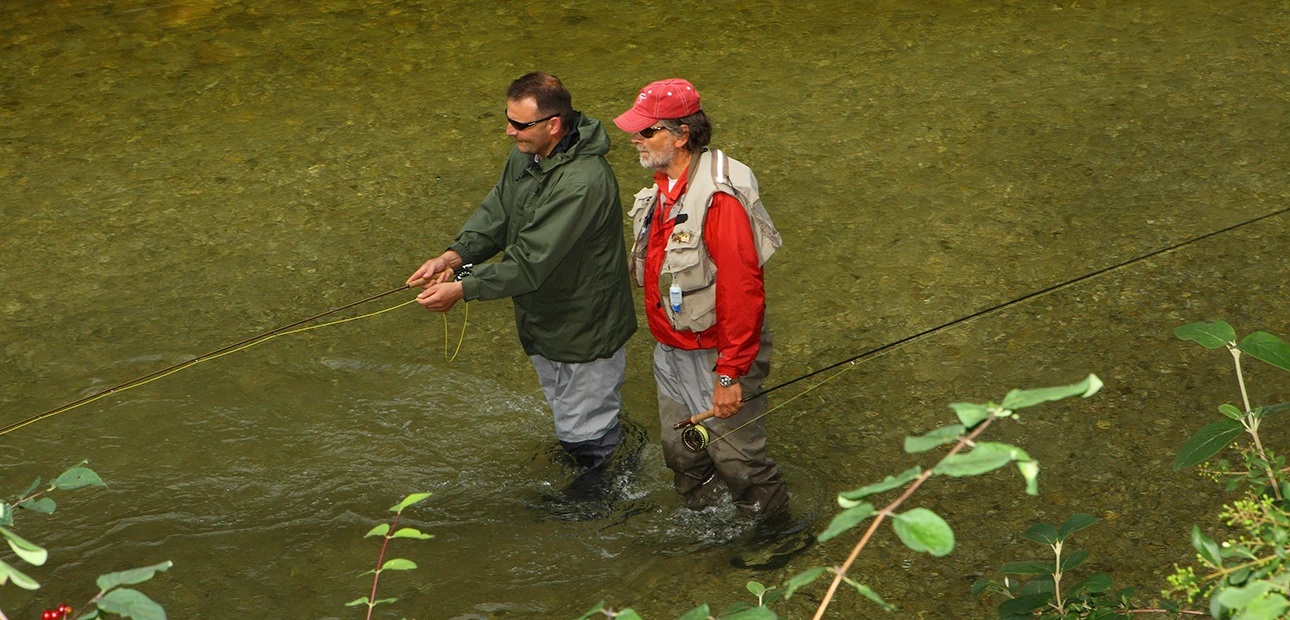
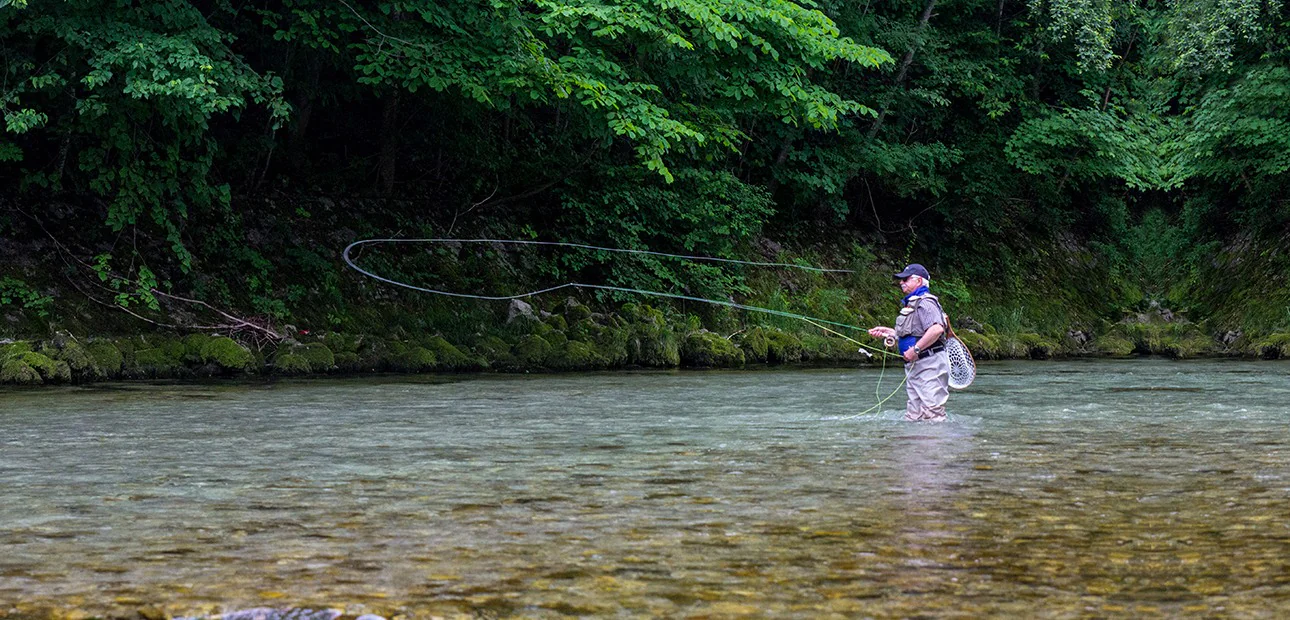

Expert CDC Dry Fly Fly Set
This boxed set contains 21 hand selected and catchy cul de canard Dry Flies, that our experts have assembled in an ultra-sturdy transparent box with micro-slotted foam. The clear fly box is very convenient during usage. All you fly patterns can be seen at once. Content: 21 CDC Dry FliesDetails of the fly box:7 micro-slotted foam rowsspace for up to 175 fliestransparent lidlight and durableSize: 155 x 105 x 25 mmSome fly patterns may vary throughout the year to increase the success during the season.
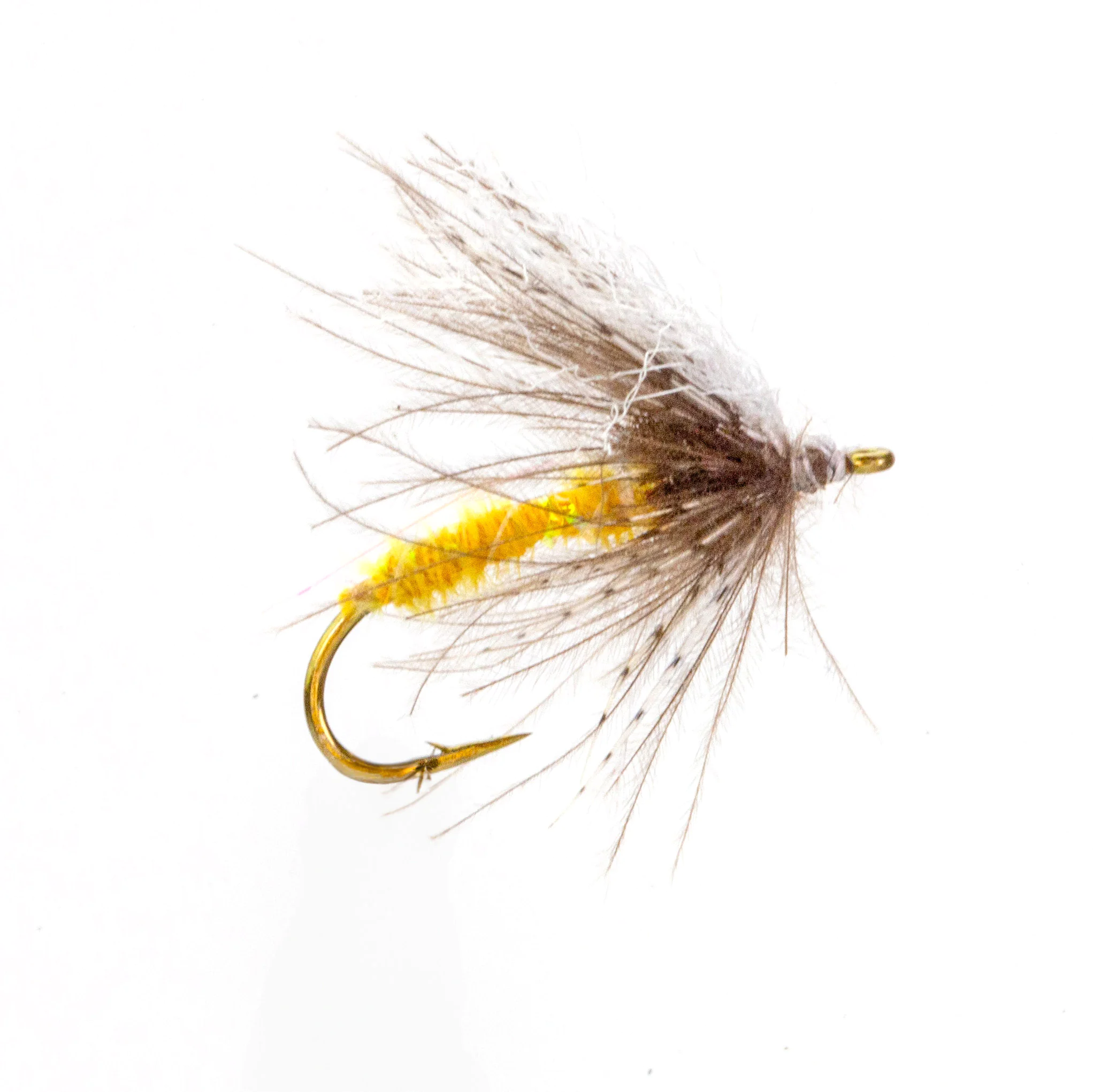
CDC Emerger 2.0 dark
This is a great emerger pattern. This fly should be fished in the surface film. It can be offered dead drift or in a light swing.
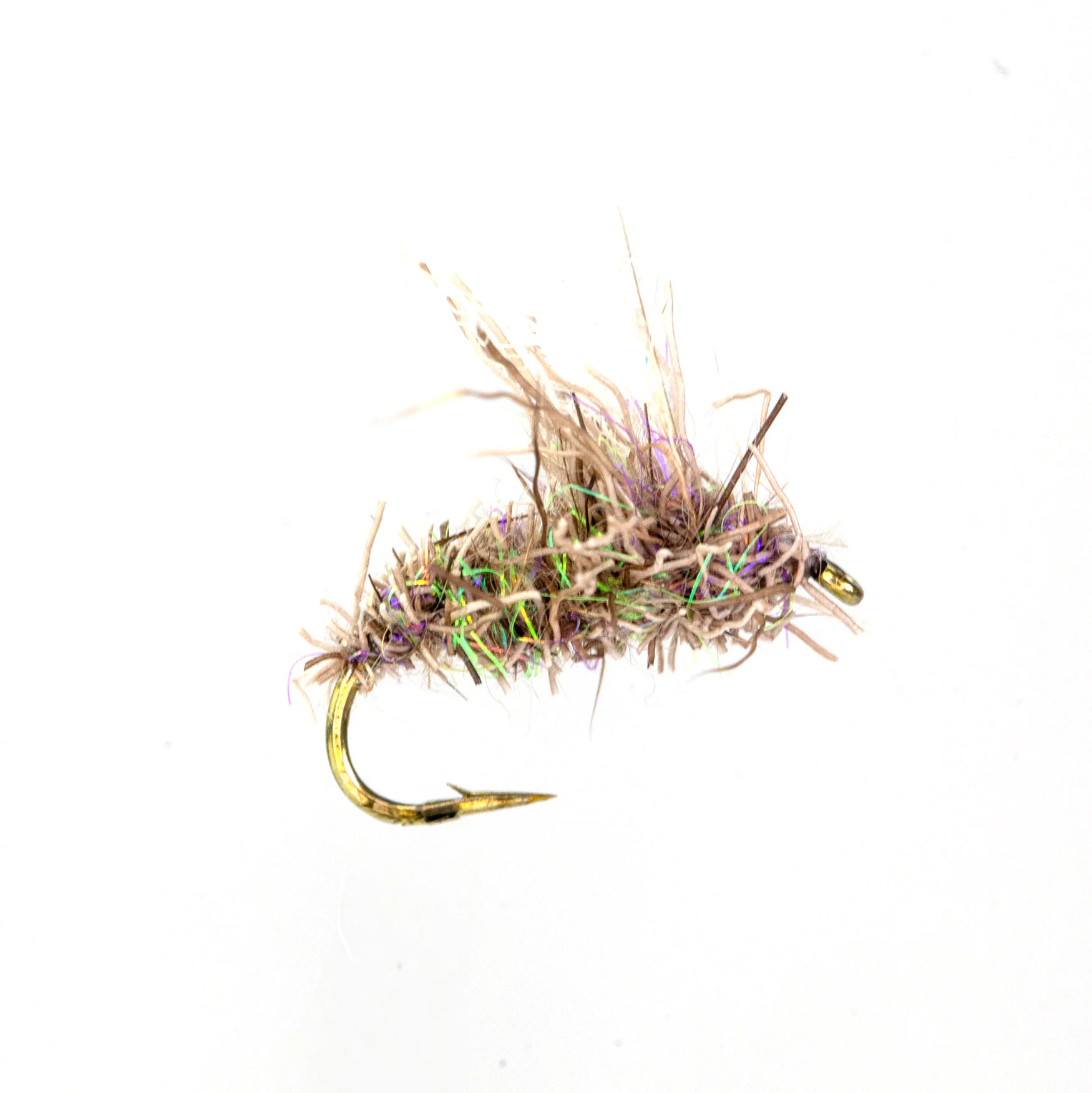
CDC Wurli Dry Fly
The CDC Wurli is a fantastic universal dry fly pattern. It can be a little mayfly or any other insect drifting on the water surface. The body is made of a mixture of mufflon, cul de canard fibres and some glitter. The tying technique of Gerhard Laible enables him to form great lookinf fly bodies out of this material.
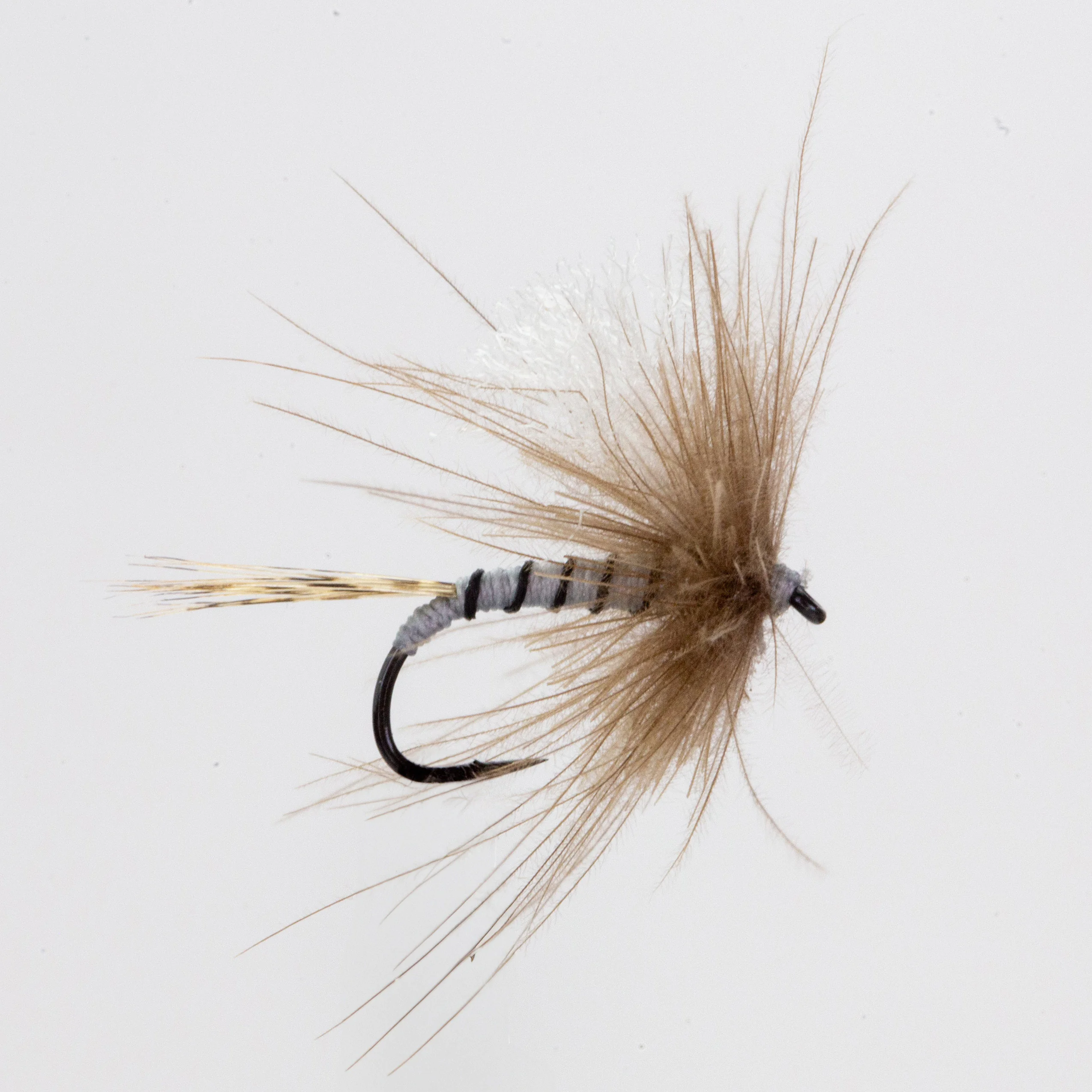
CDC Para Dun, blue dun
The CDC Para Dun imitates a small gray mayfly. The grayish body covers many different mayflies.The swimming properties of the dry fly are extremely good due to the duck-tail hackle.
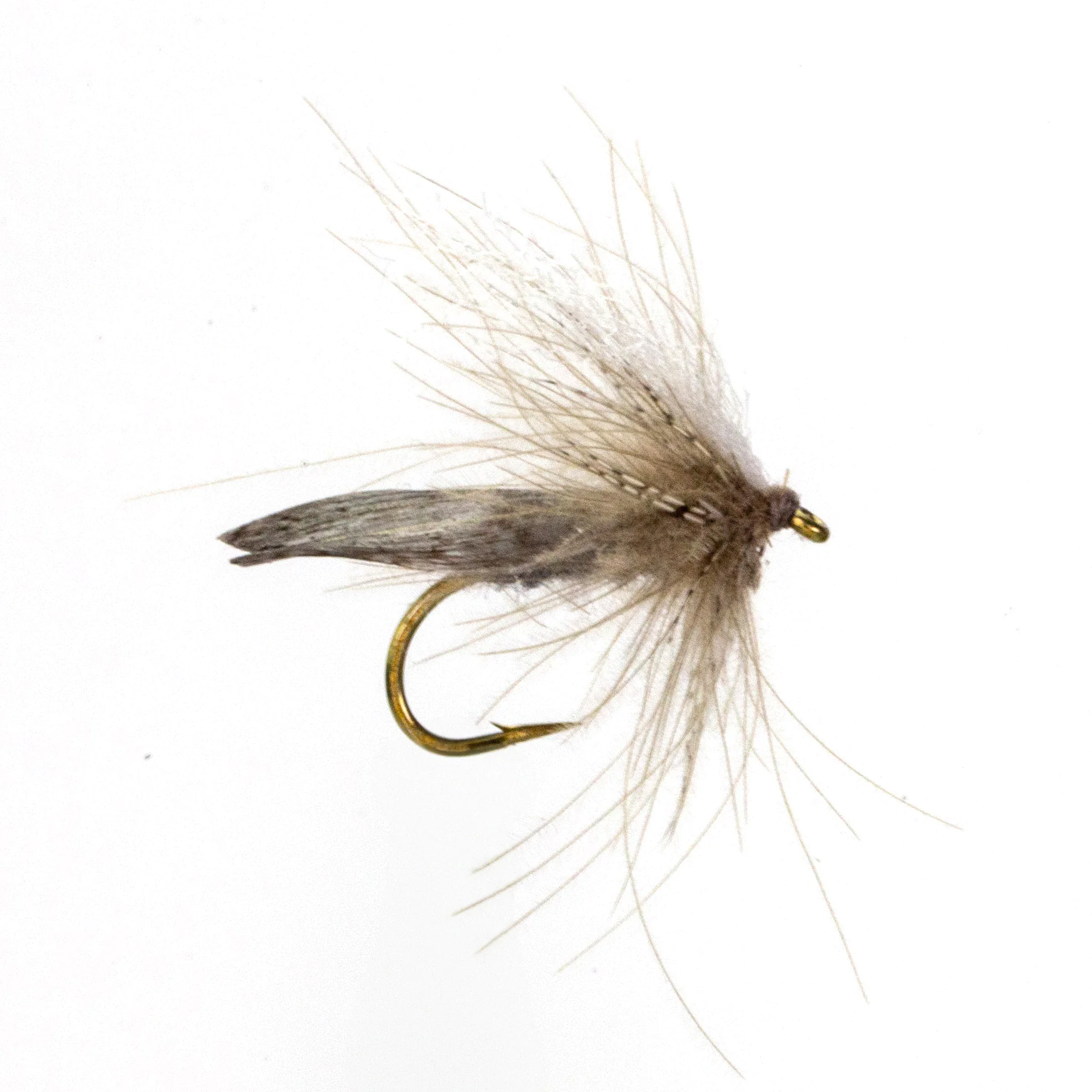
CDC Traun Caddis
The Traun Caddis is a classic caddis fly version: the sedge with closed wings. This picture shows both newly hatched sedges, when they are still unable to fly, and females laying eggs. The adult sedges live for several days or weeks and return to the water from the shore vegetation when all the conditions for laying eggs are met. After mating, the females fly upstream to compensate for the downstream drift of the eggs (compensatory flight). Some species then climb into the water on the side facing away from the current, e.g. from stones, to lay their egg balls. Many sedges also lay their eggs in the open current at dusk. They run and hop conspicuously over the water surface. In between, the flies repeatedly take breaks, during which they drift downstream with their wings folded. Spawning and egg-laying always provoke a violent ascent. The tying method and material - the translucent patterned Sedge Wing wings and the CDC thorax surrounded by a few long fibers - give the MW-Caddis a deceptively realistic silhouette without reducing its usability in the slightest. The pattern can be thrown without twisting and has excellent buoyancy. This means that this CDC sedge can be offered without any problems according to the behavior of the prototypes: Turning and furrowing violently and drifting calmly in between, as “Caddis at rest”. This is most effective with a long leader tip when servicing across and then downstream.Text and pattern by Gerhard Laible
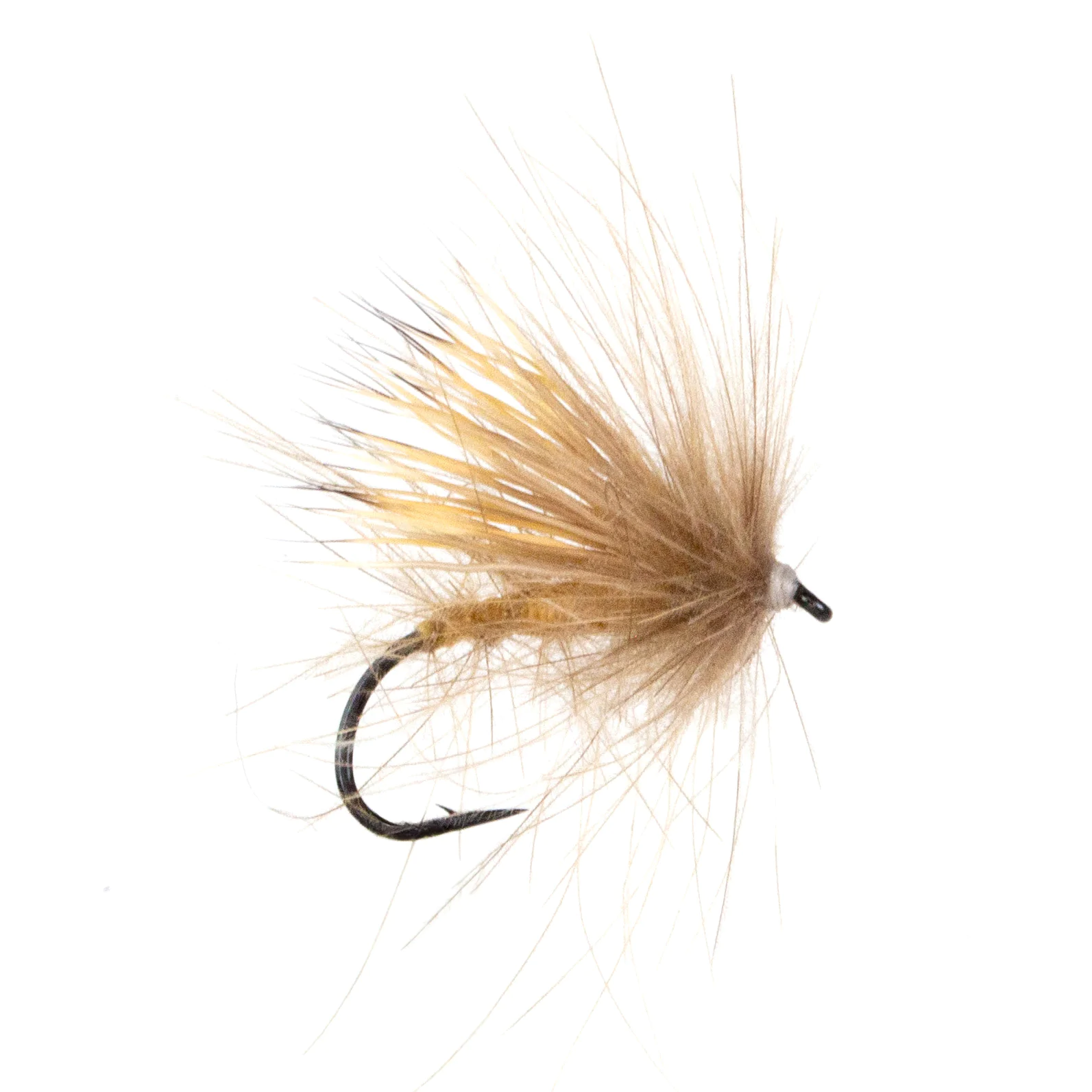
CDC Buck Caddis Dry Fly, yellow
As its name suggests "CDC Buck Caddis (B.C.), this American deer hair fly is actually intended to represent a caddis fly. In fact, however, this simple and sophisticated tying method covers a much wider range of imitations. Practice has shown that the B.C. is not only used as a sedge crawler, as a dun or as a little stonefly. Pulled under water, it can even be fished as an emerger, with success. A real universal pattern. In combination with CDC body and CDC head hackle, this pattern becomes even more attractive - and much more resistant. After all, the seemingly fragile brush fibers are much more robust than they look and effectively shield the rather sensitive deer hair fibers. In addition, they diffusely disguise the outline of the B.C., making it the all-rounder par excellence. With a yellow or bordeaux-colored body, my B.C. version imitates a wide range of aquatic insects, especially caddis and mayfly stages. The size 19 claret has excelled as a very catchy grayling fly in the fall. The CDC Buck Caddis is fished dry, in the film or just below the surface, depending on its use.
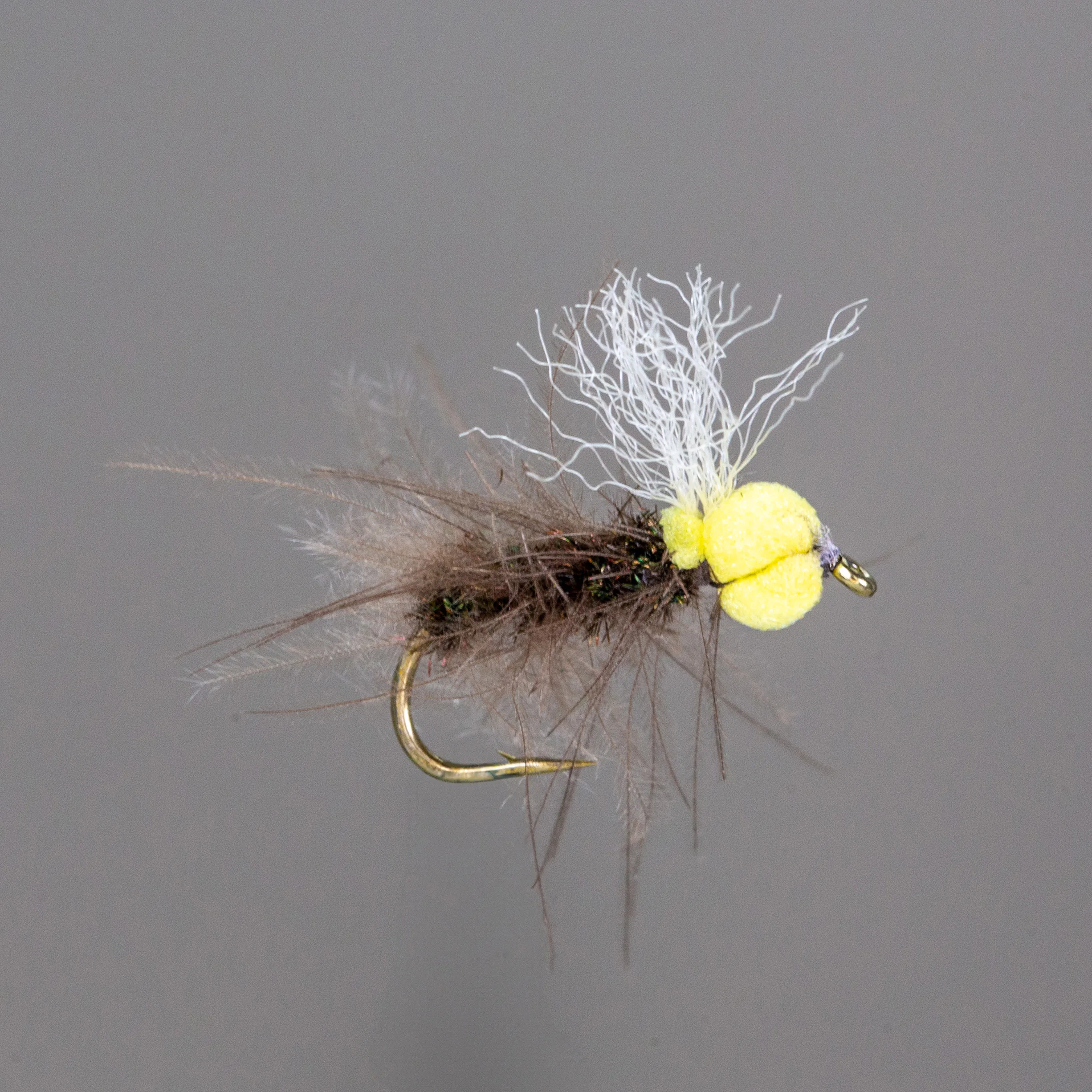
CDC Caddis Super Pupa
CDC Caddis Super Pupa imitates a hatching caddis fly on the surface. This pattern was developed by pro tyer Gerhard Laible. This fantastic dry fly pattern should be fished very actively thus the egg laying caddis moves quickly above the surface.
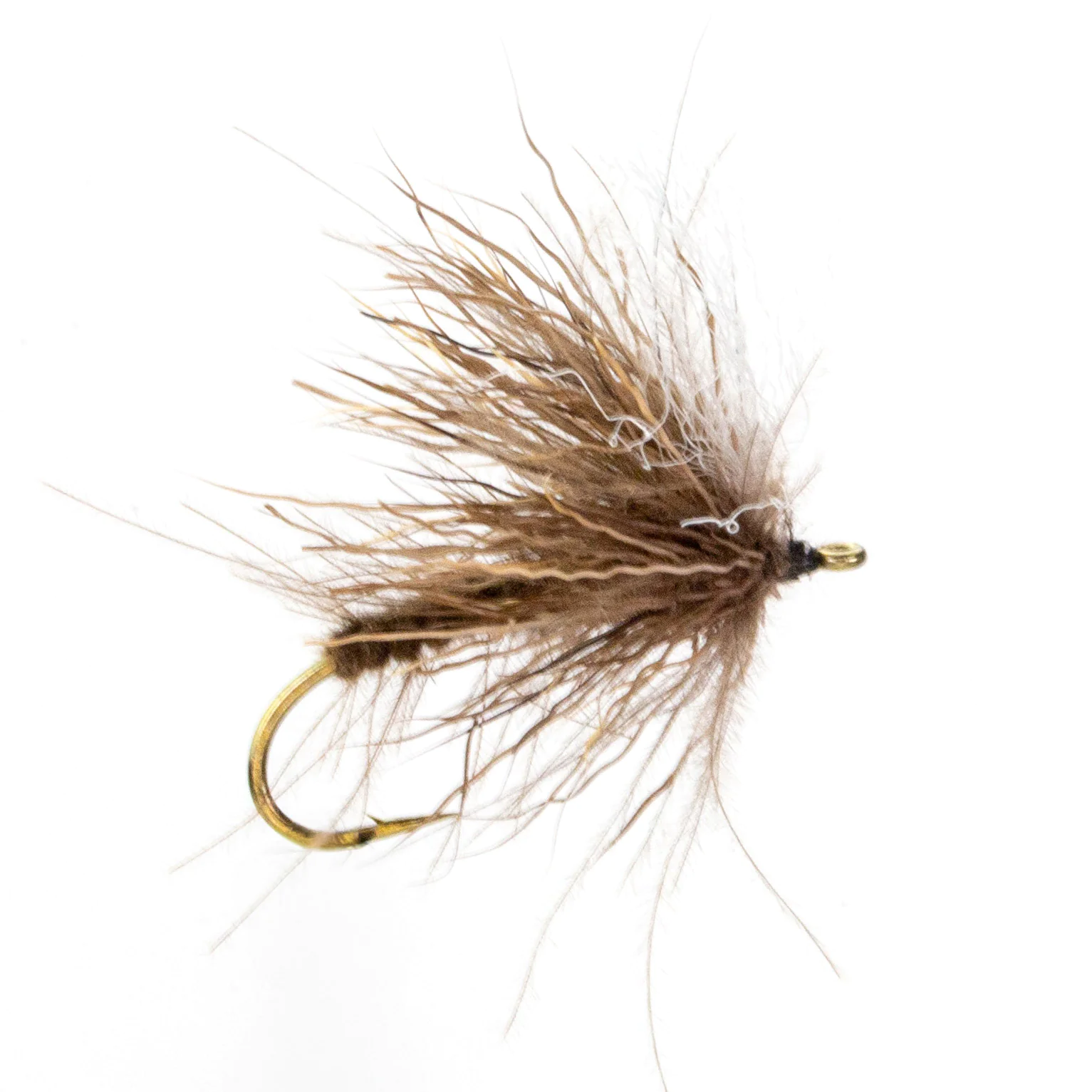
CDC Caddis Teenager
The CDC Caddis Teenager is a great pattern of a caddis fly. The fly floats very well due to the tying method. The fly pattern can be led very actively. We recommend treating the pattern with Nev-R-Sink (floating agent) before first use so that the fly floats even longer.
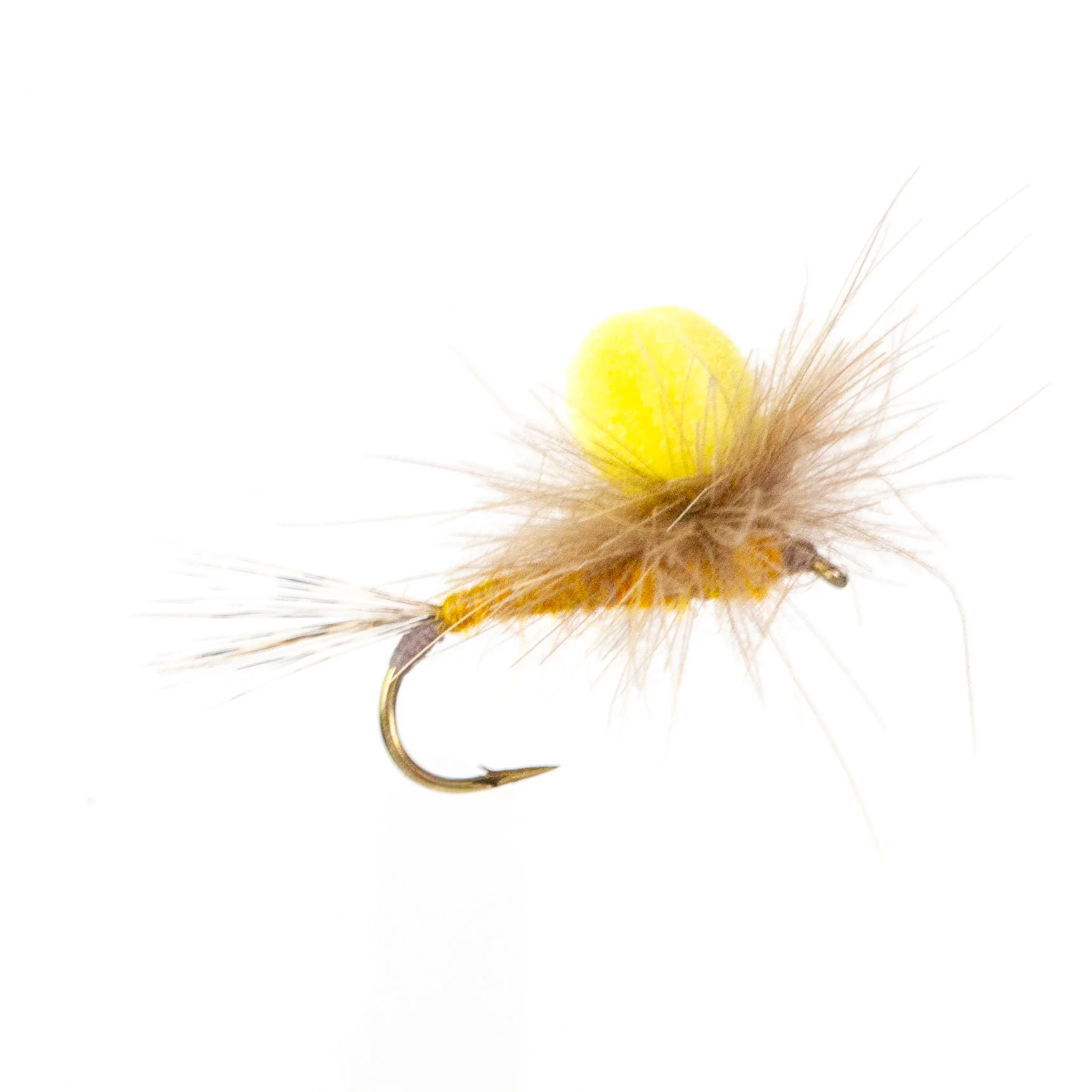
CDC Hi-Vis Parachute, golden brown
highly visible dry fly pattern after pro tyer Gerhard Laible
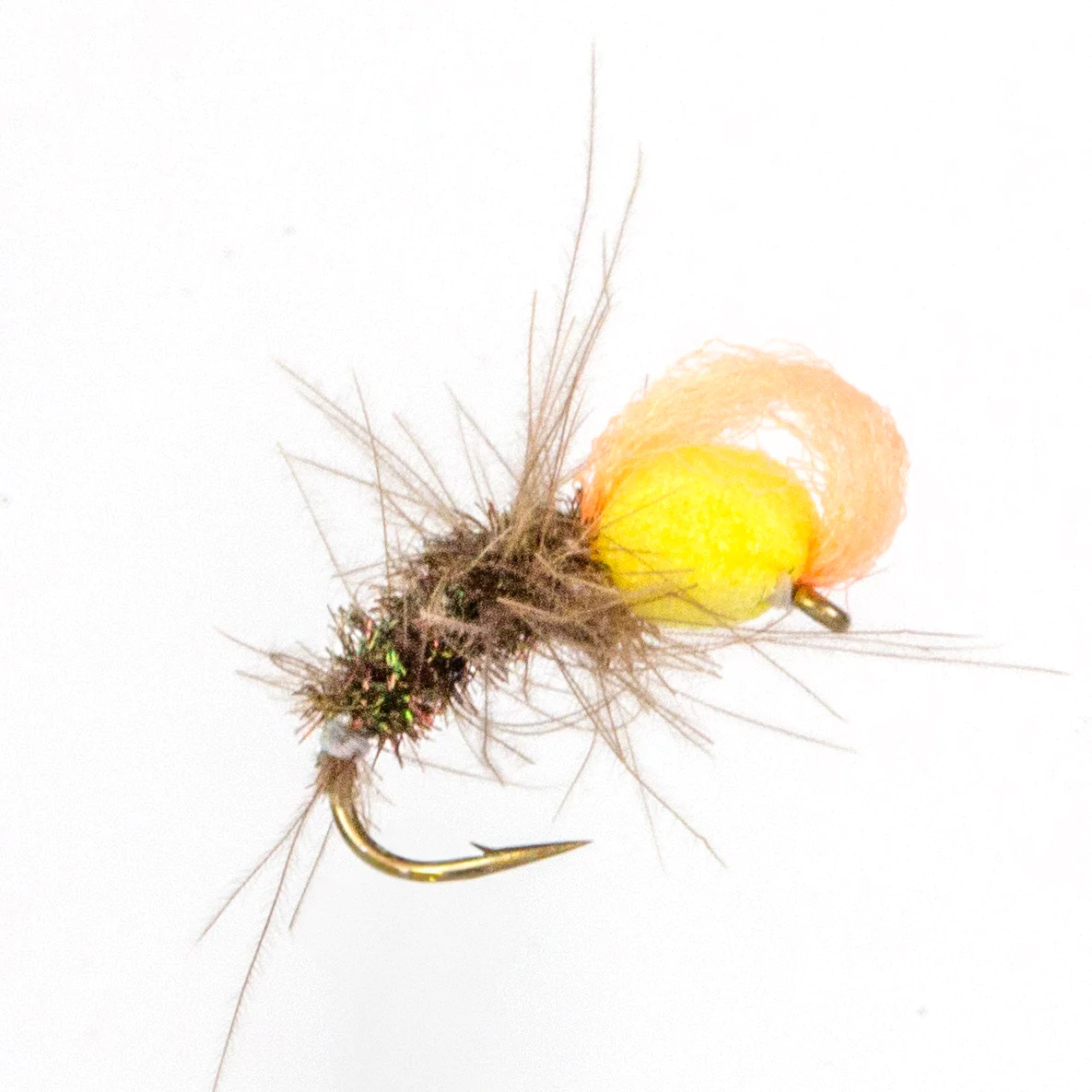
CDC Caddis Pupa Dry Fly
Whenever caddis flies hatch in the open water, the roundish, usually respectably sized emergers and crawlers trigger intense fish activity. The CDC Yellowhead Caddis Pupa efficiently represents this emergence and crawling phase. The conspicuous, thick head of the pattern mimics the gas filling in the pupa skin that carries the ascender to the surface. The special attraction that often emanates from the yellow parts of a dry fly has certainly been observed by many. My personal experience points unequivocally in this direction. I am not only convinced that yellow is indispensable at times, but that its appeal can be enhanced by emphasizing it. The thick yellow head in combination with the roundish body dubbed in my “integral technique”, i.e. from peacock and CDC fibers, results in a pattern that successfully imitates hatching Sedges. The yellow also makes the fly highly visible in the dim light of late evening caddis hatches. The CDC Yellowhead is fished either upstream in the normal dry fly manner or across the stream and then furrowed. When fished in this way, it is particularly effective if it is pulled slightly under water and guided with jerky movements.Text by pro tyer Gerhard Laible.
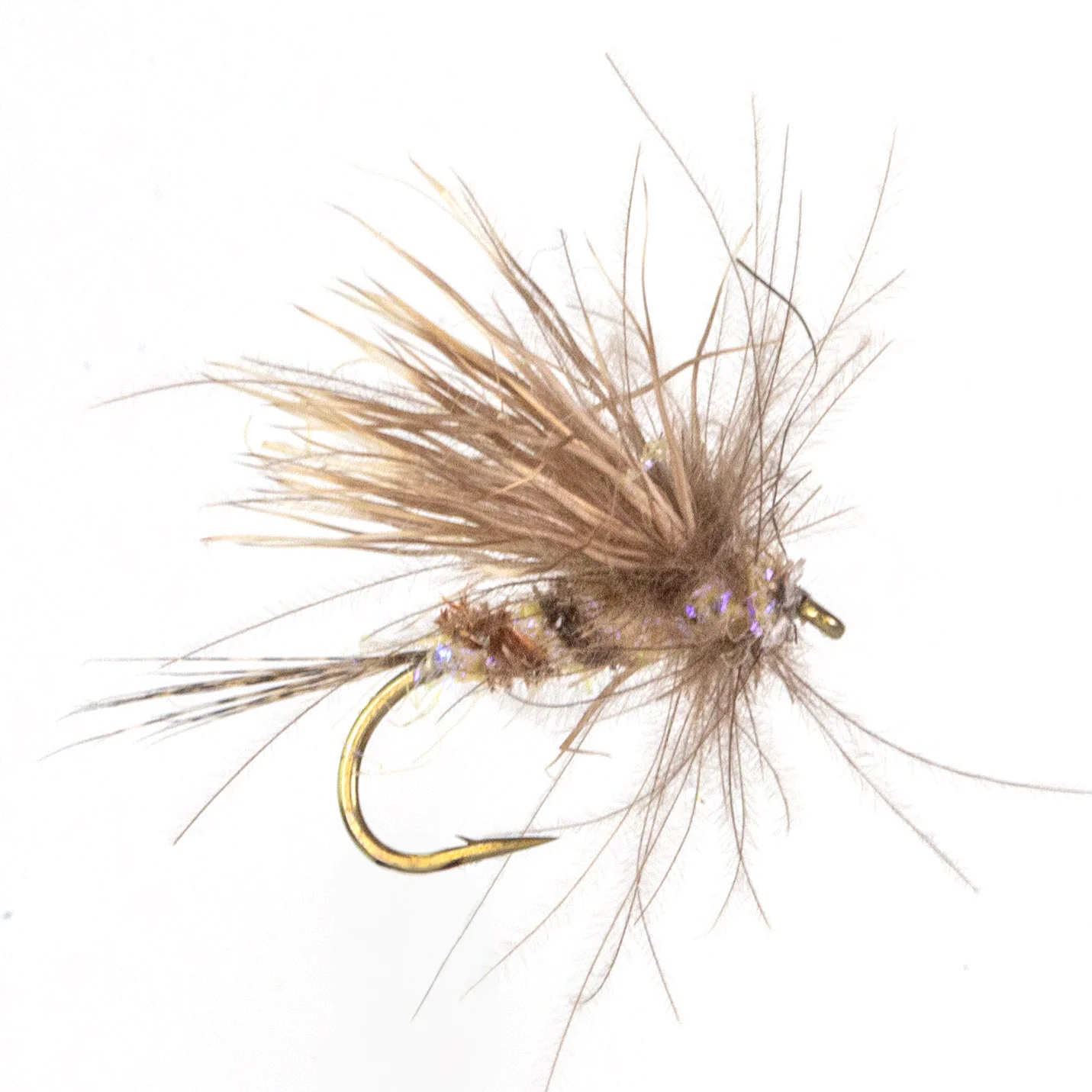
CDC Delta Wing Dun
The CDC Delta Wing dry fly pattern can already be described as a typical phase imitation, i.e. as a type of fly that only reproduces a fleeting moment: the image of a newly hatched dun making its first attempts at flight. The hatching process is complete, the wings are hardened and ready to function. The insect attempts, still somewhat awkwardly, to take off from the water. It only succeeds under ideal conditions at the first attempt. Several take-off attempts are usually necessary, after which the dune repeatedly touches down on the water surface - with its wings spread in a V-shape. This delta position imitates the bunch wings of the pattern, and this phase is very interesting from a fishing point of view, as trout in particular - stimulated by the movements - often attack such duns vehemently. It can be observed that the fish sometimes jump out of the water and take the duns from above when they dive back in. In their frenzy to intercept the dun, the fish do not even take the time to look critically at the flies... The CDC-Delta Wing fly pattern is most effective when it is offered in the action area, i.e. according to the water depth just before the position of the targeted fish with movement stimuli. With a short offering distance, you can let the fly literally dance over the water with a long rod and short line. When using this technique, it is necessary to lightly lubricate the deer hair wings and the body of the fly with Nev-R-Sink.
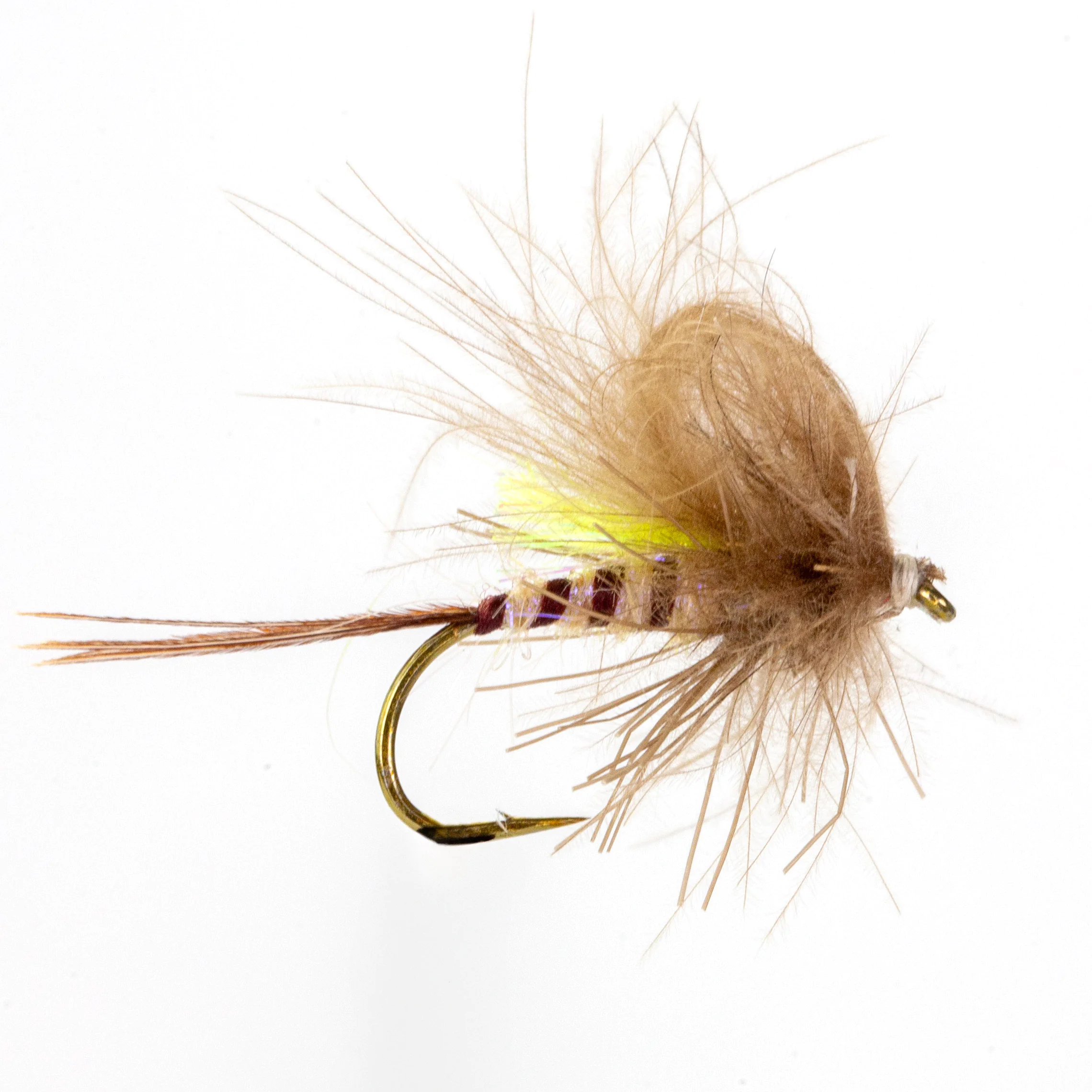
CDC Mayfly Emerger
The Mayfly Emerger is one of the best mayfly patterns ever! This pattern developed by Gerhard Laible reproduces the exact moment when the mayfly nymph breaks through the surface. It is precisely at this moment that the trout often feed on the hatching insect. We recommend fishing this pattern very actively on the surface. The size # 11 is more of a mayfly pattern than a real "Danica" mayfly.
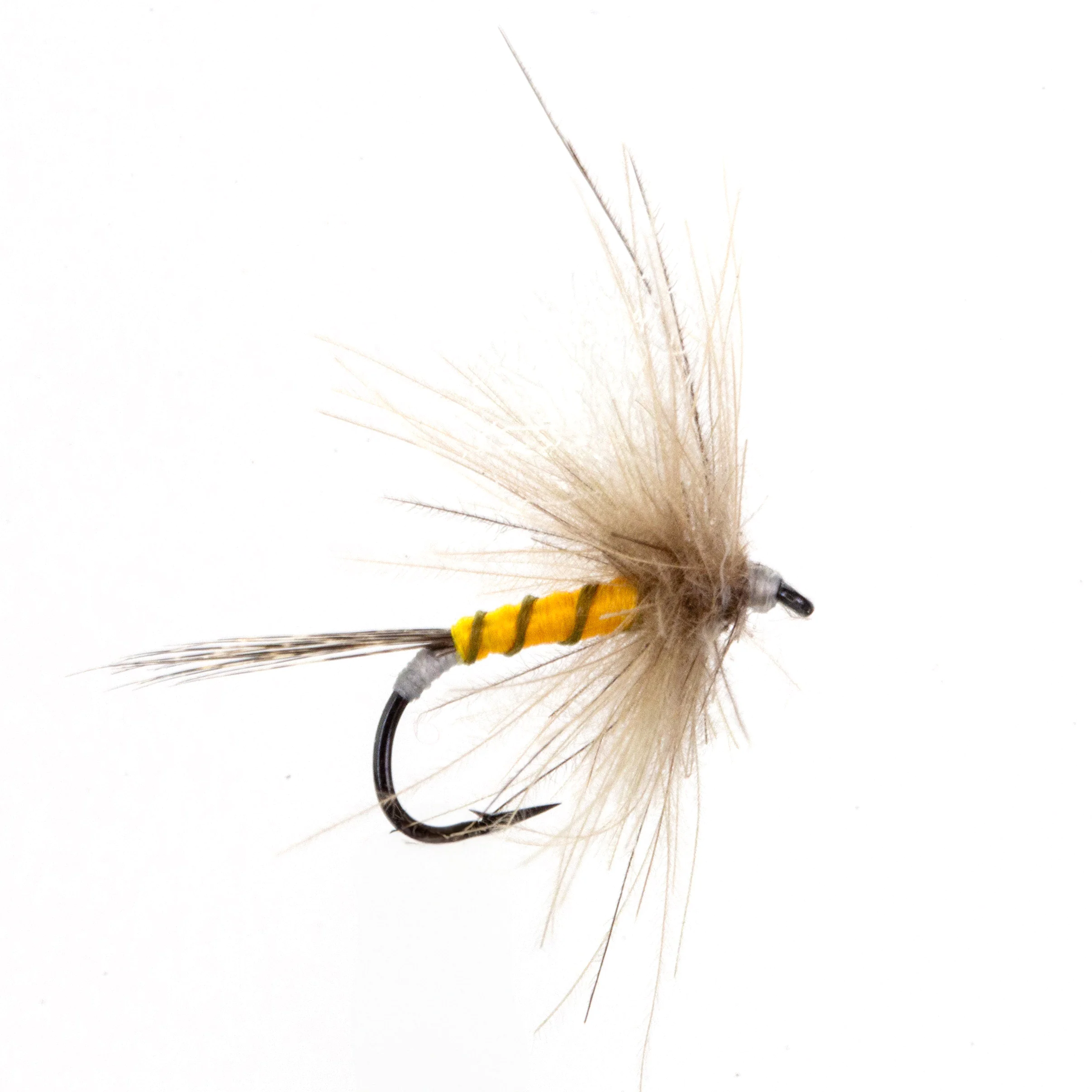
CDC Para Dun, olive yellow
The CDC Para Dun imitates a small yellow mayfly. The grayish body covers many different mayflies.The swimming properties of the dry fly are extremely good due to the duck-tail hackle.
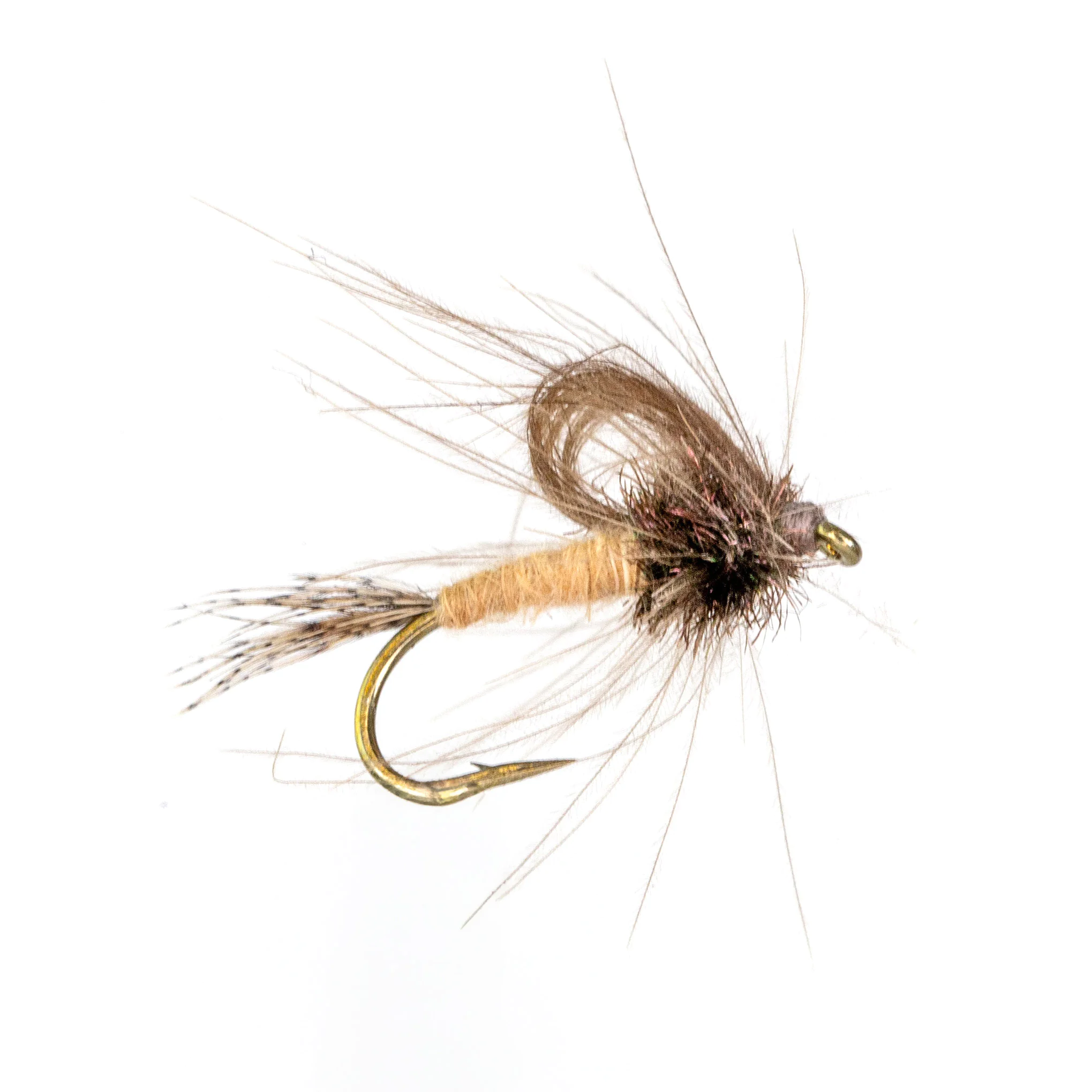
CDC Emerger, beige
The CDC Emerger is one of the best cul de canard emergers ever. With this fly you can also be very successful with very selective fish. This fly not only catches a lot of fish on the Bavarian Traun, but you can use it to outwit selective fish WORLDWIDE!Insider tip: if the fish refuse the fly, put the fly in your mouth and offer it just below the surface. This usually results in a bite!
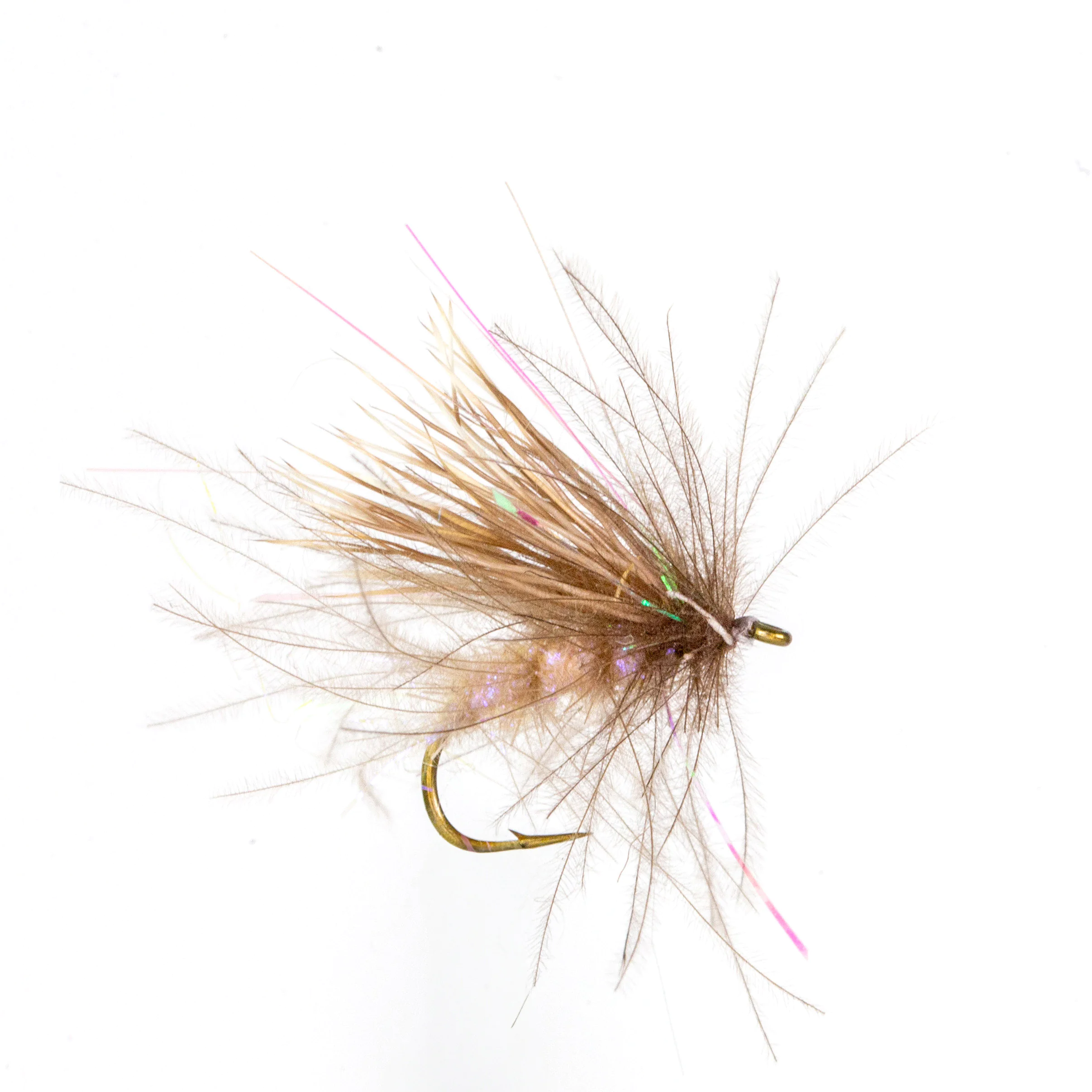
CDC Sparkle Buck Caddis, tan
The CDC Sparke Buck Caddis is a great caddis fly pattern. The sparse sparkle makes the fly very attractive. This dry fly caddis pattern can be fished very actively.
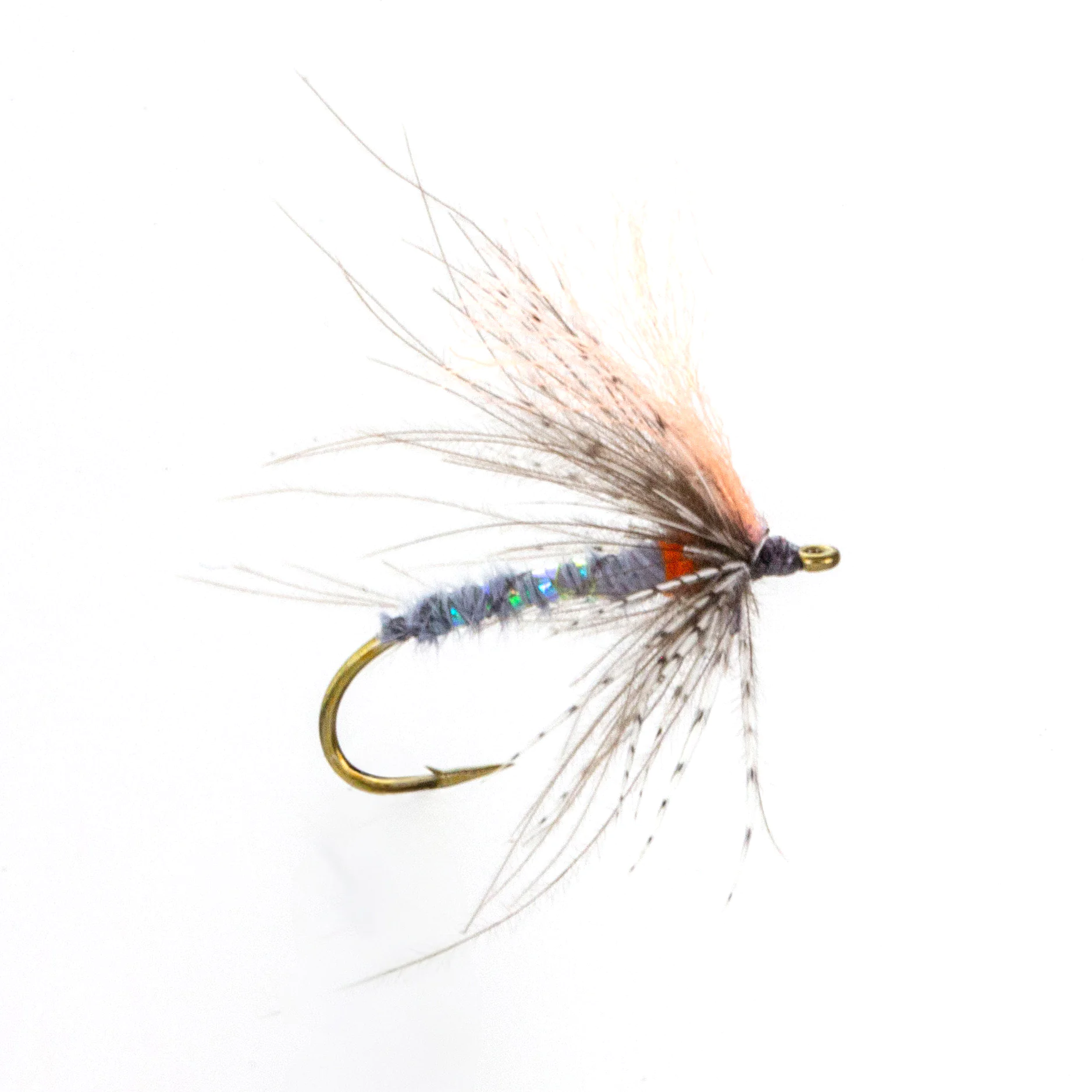
CDC Signal Thorax Emerger
The CDC Signal Thorax Emerger is a great emerger pattern which is fished in or slightly below the surface film. The fly pattern represents an insect that is just hatching. It is the ideal prey for trout and grayling in this phase of metamorphosis. This pattern is best fished diagonally downstream in a gentle swing. Either rather passively or highly actively with short breaks.
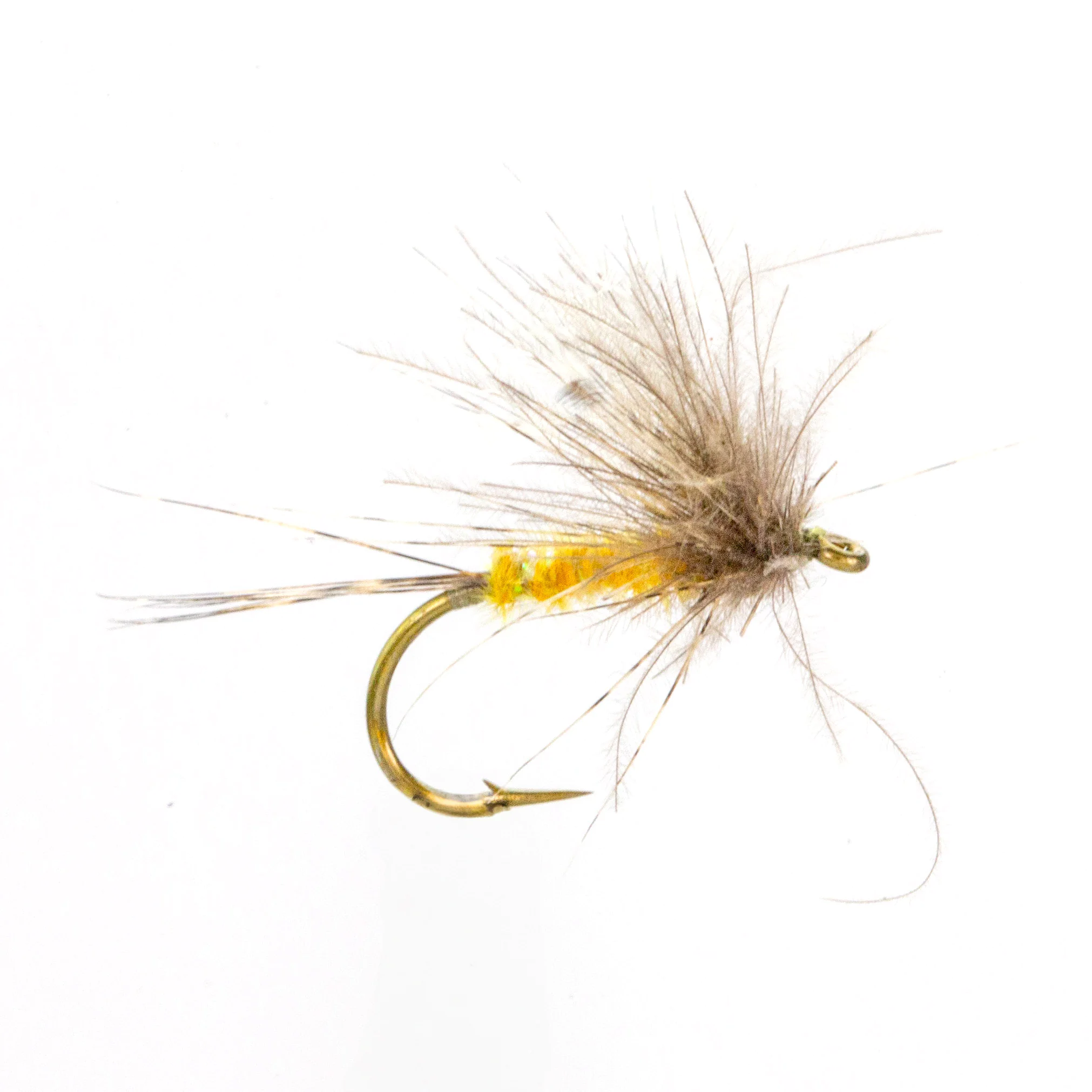
CDC Delicate Dun Dry Fly
The CDC Delicate Dun is a very effective dry fly imitation little mayflies. The sparse body of the fly and the cdc fiber head imitates a very natural and realistic appearance. We offer different colour options of this great dry fly.
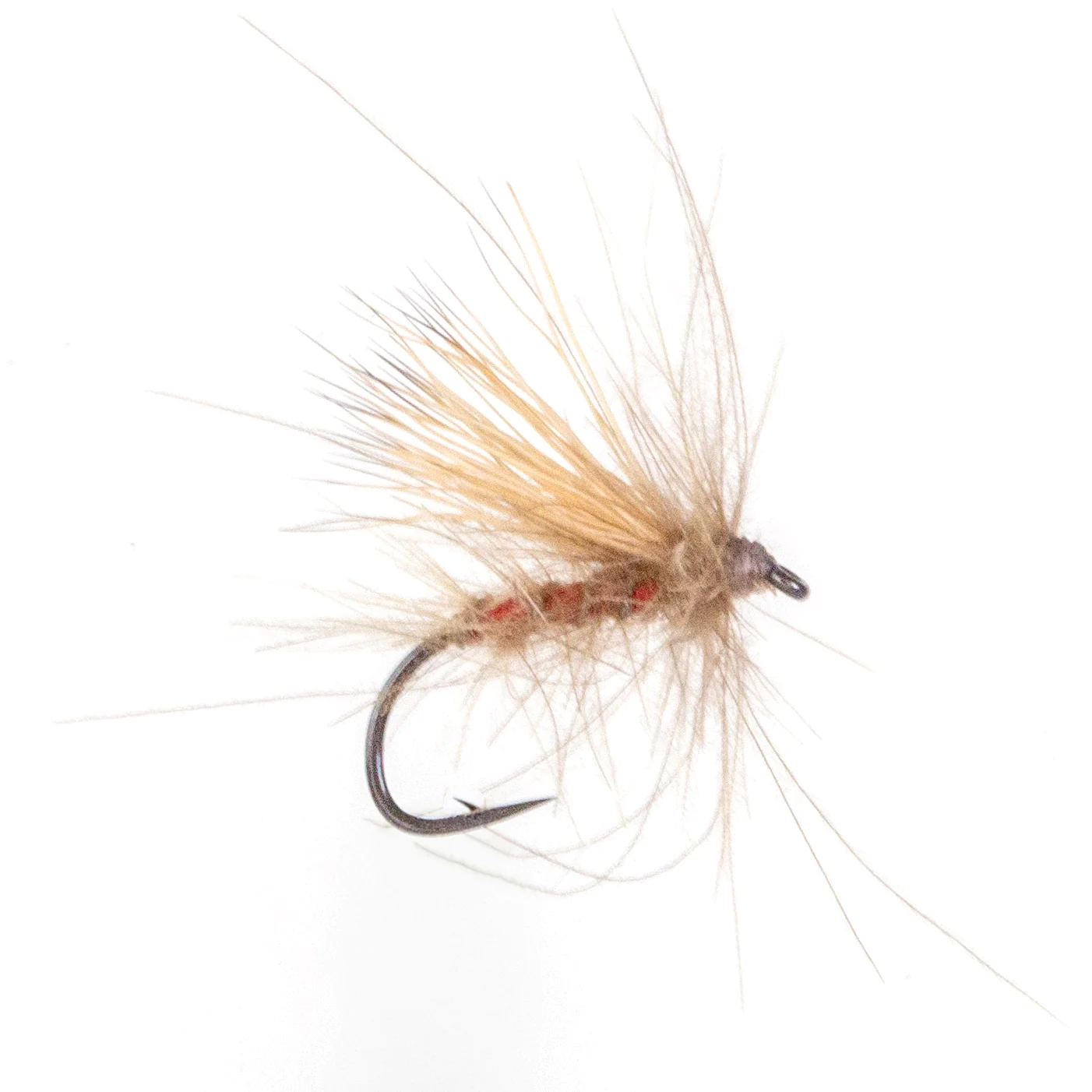
CDC Buck Caddis Dry Fly, red
As its name suggests "CDC Buck Caddis (B.C.), this American deer hair fly is actually intended to represent a caddis fly. In fact, however, this simple and sophisticated tying method covers a much wider range of imitations. Practice has shown that the B.C. is not only used as a sedge crawler, as a dun or as a little stonefly. Pulled under water, it can even be fished as an emerger, with success. A real universal pattern. In combination with CDC body and CDC head hackle, this pattern becomes even more attractive - and much more resistant. After all, the seemingly fragile brush fibers are much more robust than they look and effectively shield the rather sensitive deer hair fibers. In addition, they diffusely disguise the outline of the B.C., making it the all-rounder par excellence. With a yellow or bordeaux-colored body, my B.C. version imitates a wide range of aquatic insects, especially caddis and mayfly stages. The size 19 claret has excelled as a very catchy grayling fly in the fall. The CDC Buck Caddis is fished dry, in the film or just below the surface, depending on its use.
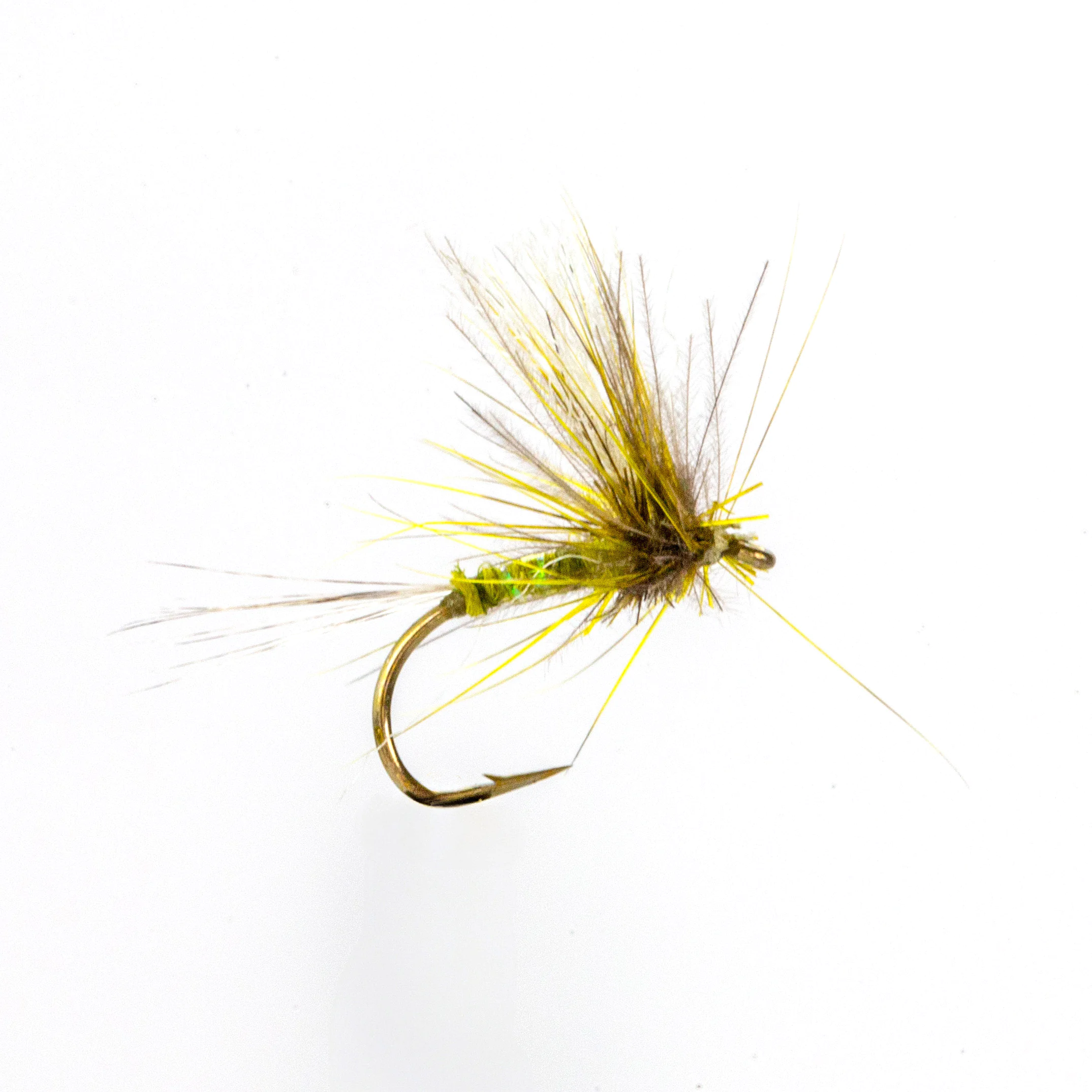
CDC Delicate Dun Dry Fly olive
The CDC Delicate Dun is a very effective dry fly imitation little mayflies. The sparse body of the fly and the cdc fiber head imitates a very natural and realistic appearance. We offer different colour options of this great dry fly.
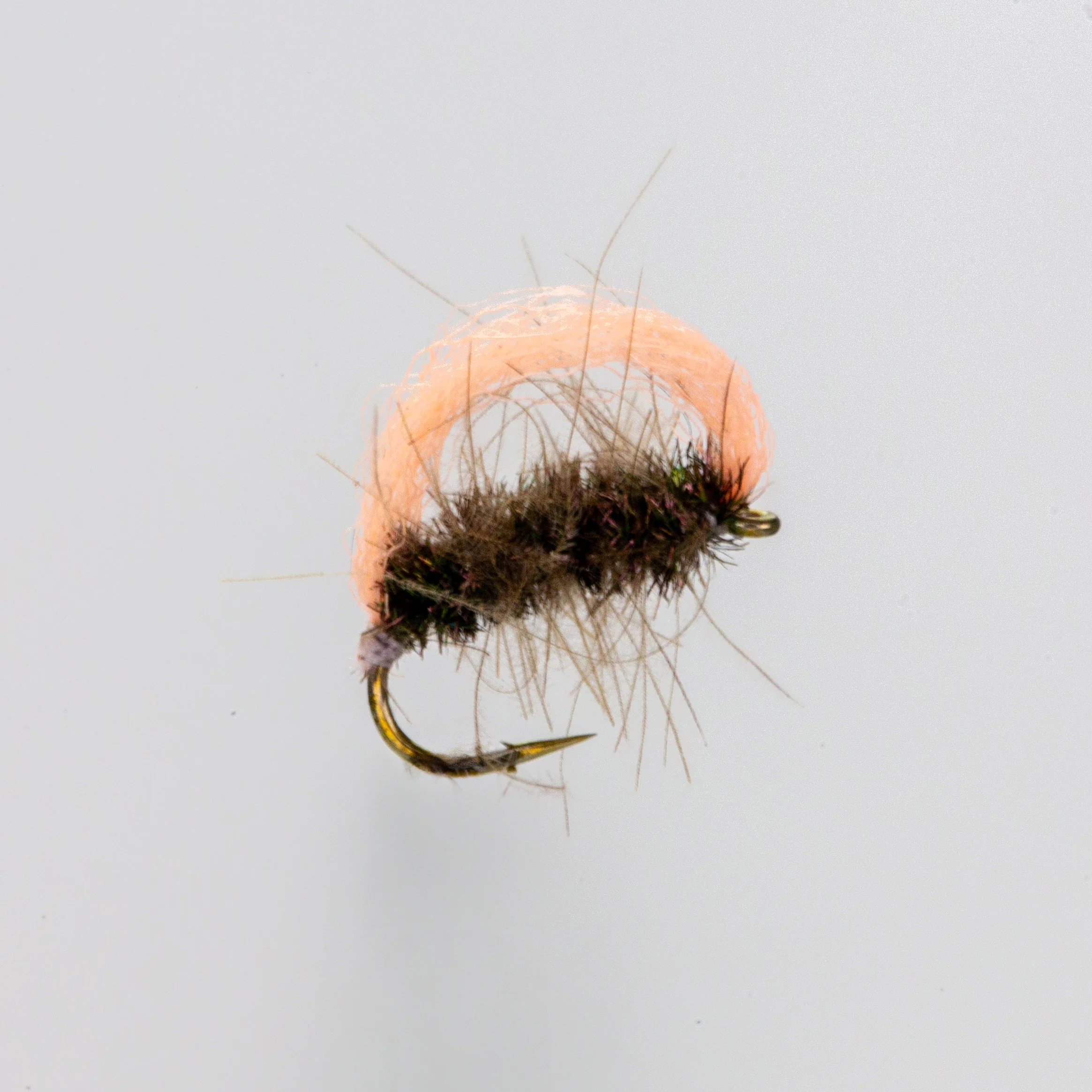
CDC Bullterrier
The CDC Bullterrier can represent a beetle, ant or other hatching insect. This is the reason why the CDC Bull Terrier is so successful as a dry fly. The body consists of its mix of duck ruffle fibers and peacock grass. The use of TIEMCO Dry Wing allows the fly fisher to see the fly clearly in the surface film. This pattern is a real insider tip on the Bavarian Traun and many other waters and catches great fish!
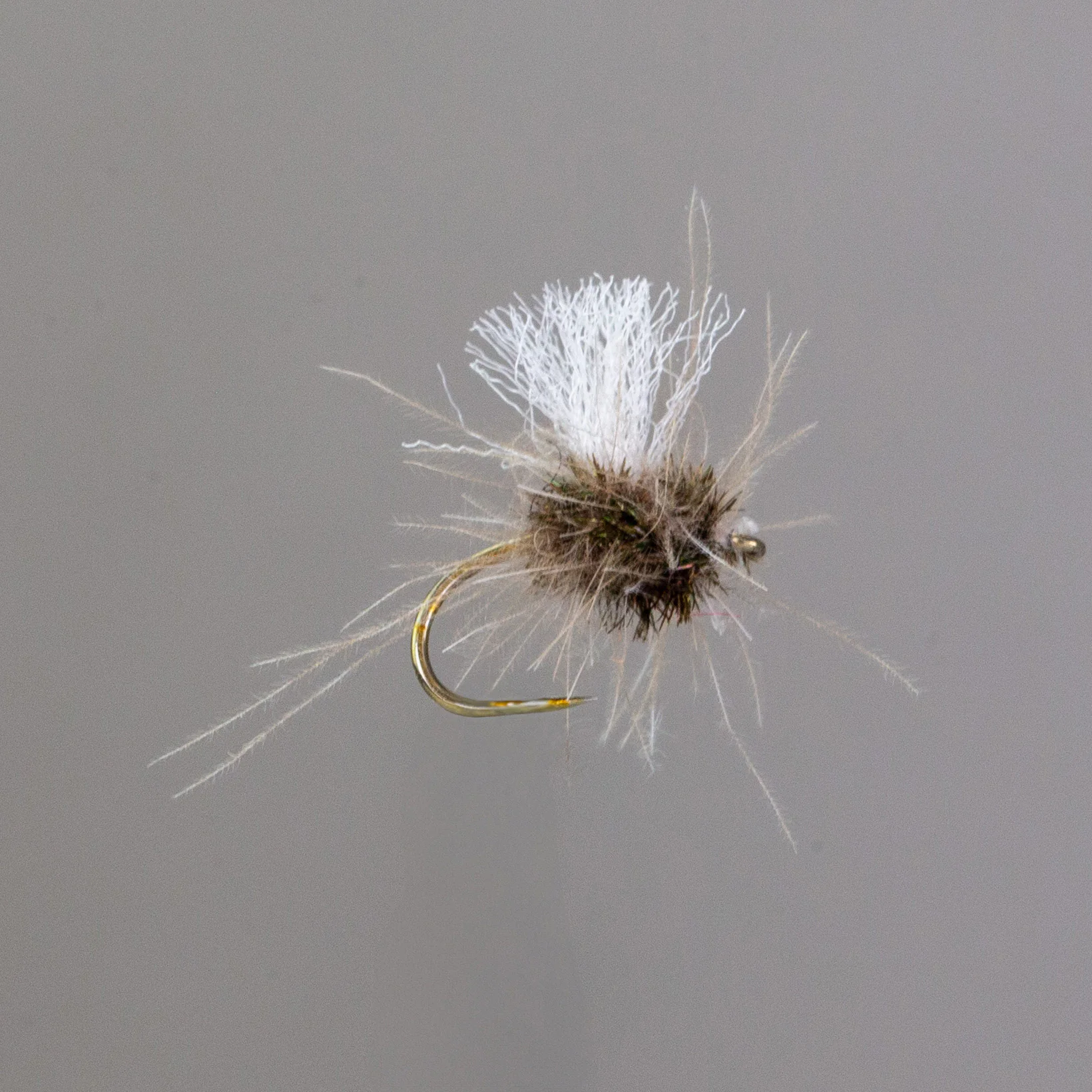
CDC Ballon Emerger
The CDC Balloon Emerger sits in the water surface and imitates a hatching insect. It is a very successful emerger fly pattern. Especially when the fish do not make a clear “rise”, then is the right time to fish an emerger. Usually you can see a classic "head and tail rise". The grayling and trout often feed directly in the surface film or directly below it.
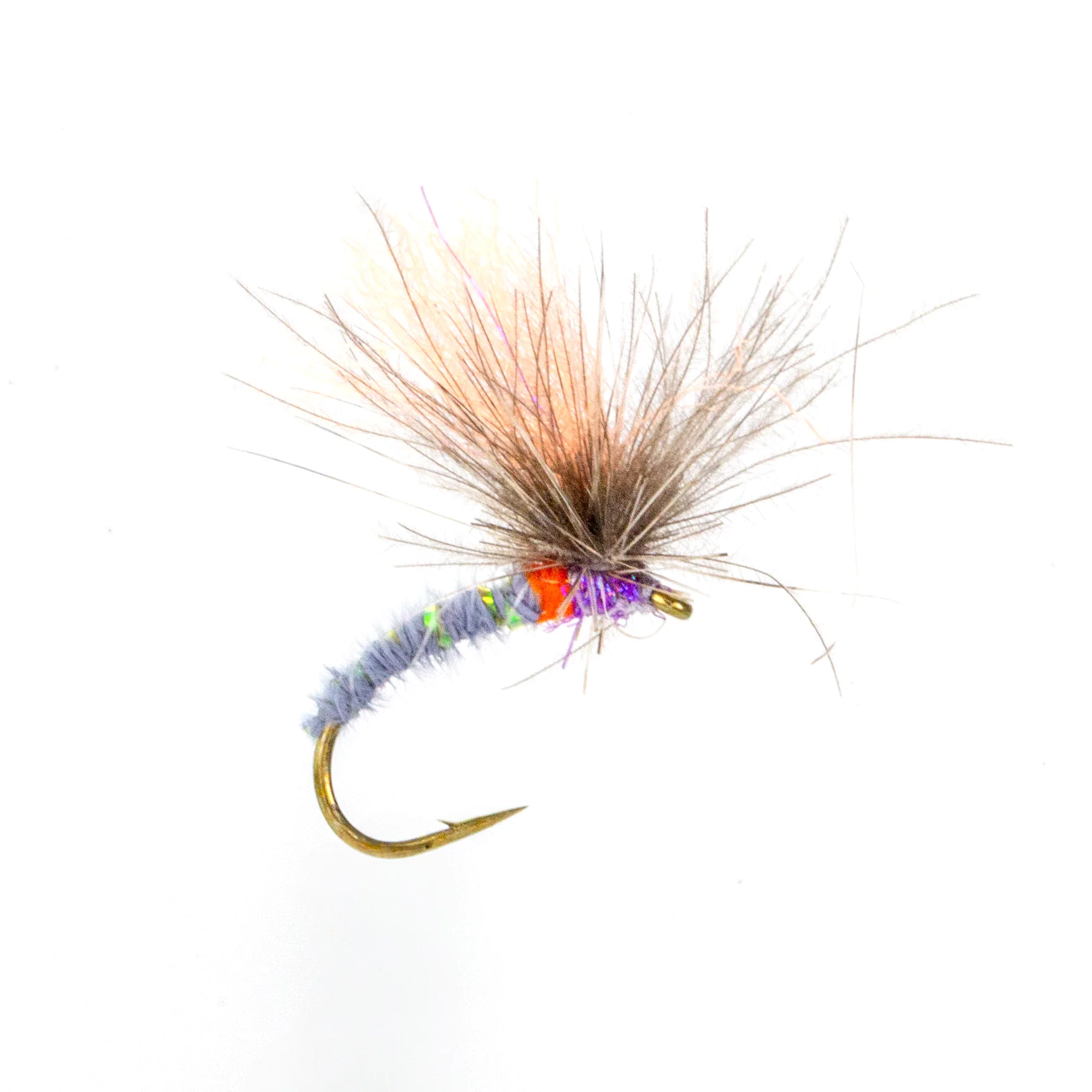
CDC Hi-Viz Surface Breaker
The CDC Surface Breaker is a great fly to catch challeging fish. The emerger fly sits perfectly in the surface.
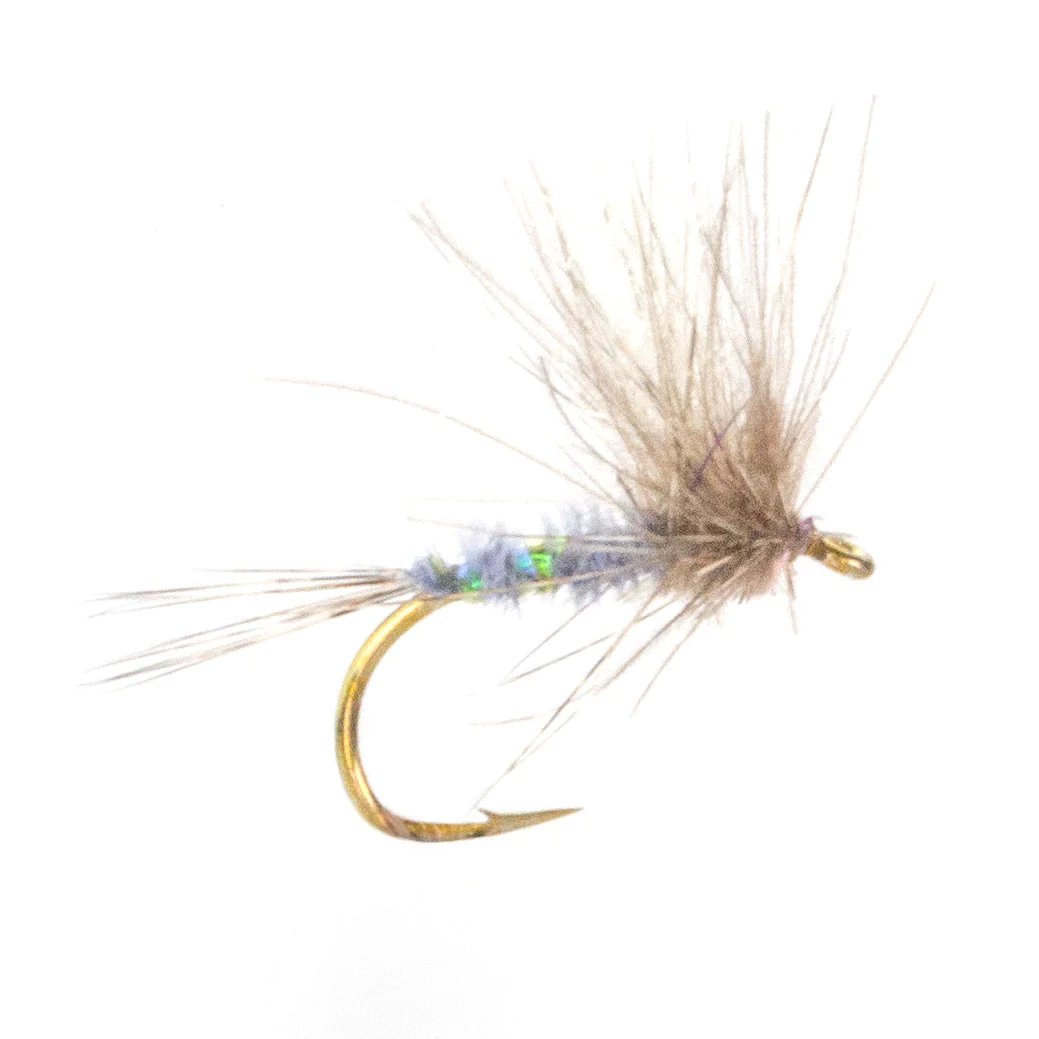
CDC Delicate Dun Dry Fly grey
The CDC Delicate Dun is a very effective dry fly imitation little mayflies. The sparse body of the fly and the cdc fiber head imitates a very natural and realistic appearance. We offer different colour options of this great dry fly.
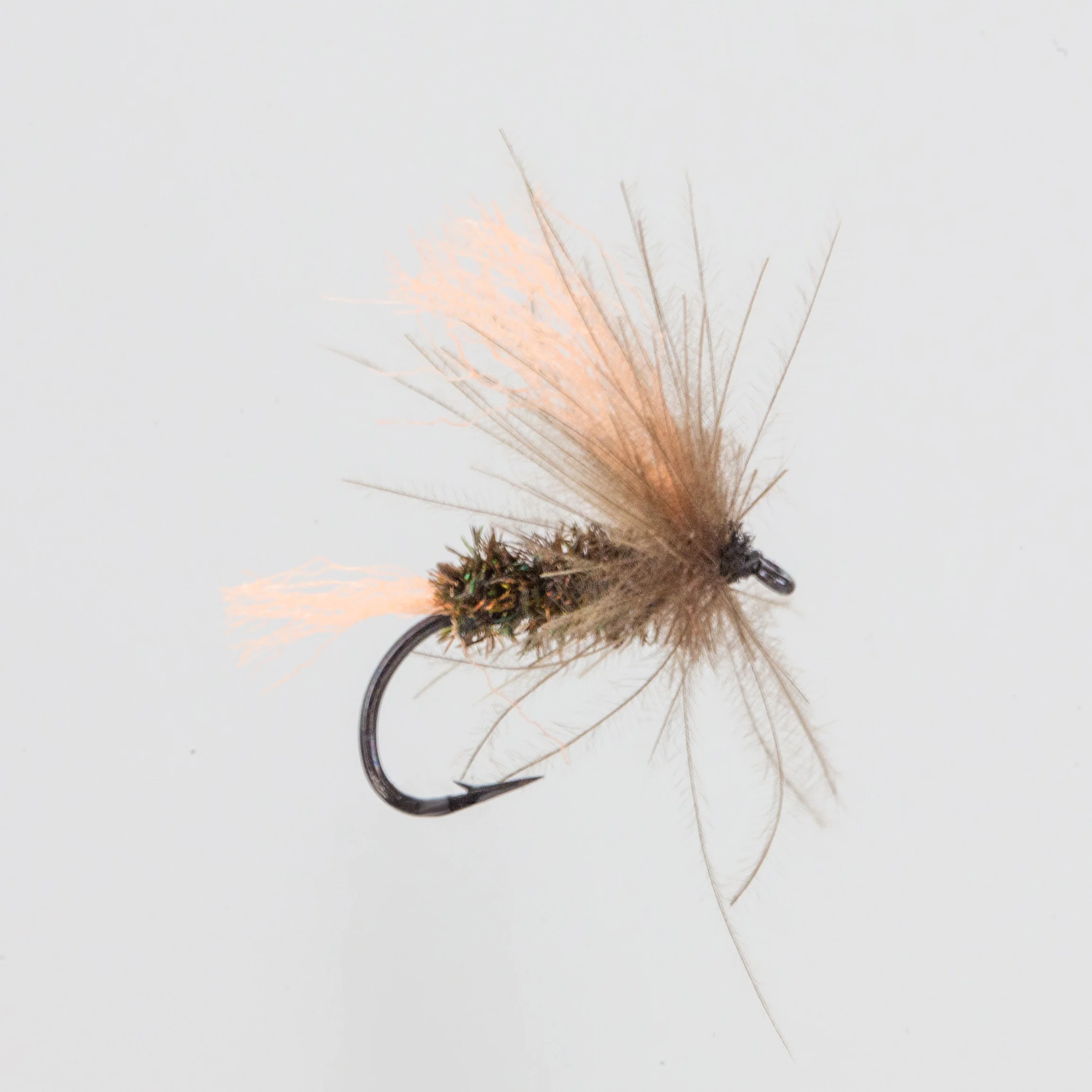
CDC Red Tag
The CDC Red Tag is a classic little mayfly dry fly pattern. The discreet body imitates a small dark mayfly. Thanks to the use of TIEMCO Dry Wing in the wing, the small dry fly is still easy to see. This dry fly can be very successful, especially in gently flowing stretches of water.
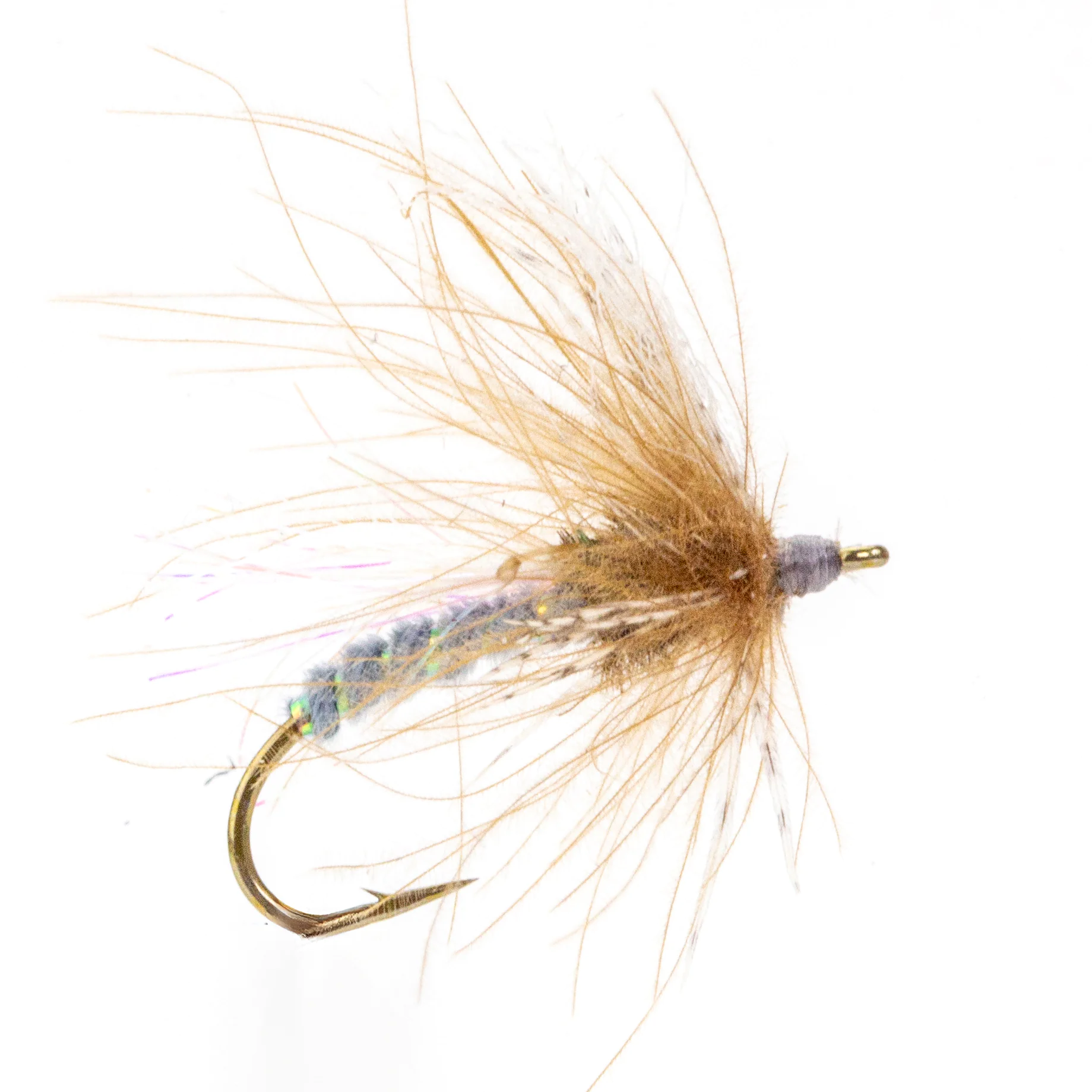
CDC Auskriecher 2.0, dark
This is a great emerger pattern. This fly should be fished in the surface film. It can be offered dead drift or in a light swing.
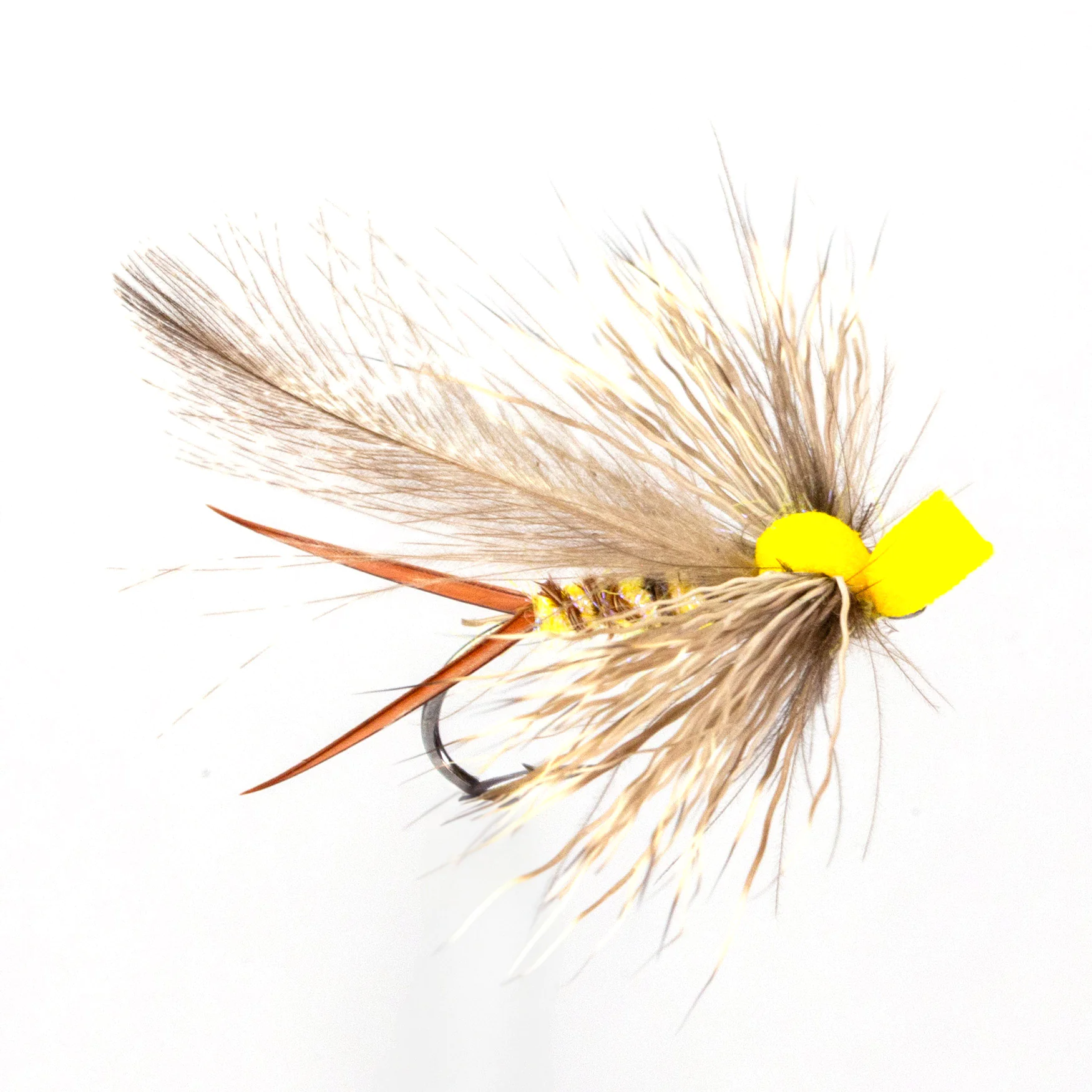
CDC Stonefly 2.0
The CDC Stonefly 2.0 is an almost perfect imitation of a large stonefly by Gerhard Laible. These insects are only found in very clear and cold waters. Fishing with these fly patterns is often spectacular! The pattern has wings on deer hair and CDC fibers. A high floating foam is incorporated into the head. This makes this fly pattern very good for “active” fishing. When the fish have adjusted to large stoneflies, they often take these patterns with great vehemence. We recommend treating the fly with Nev-R-Sink before first use. This makes the fly swim significantly longer. Important with this pattern is the application: fish this pattern very actively!
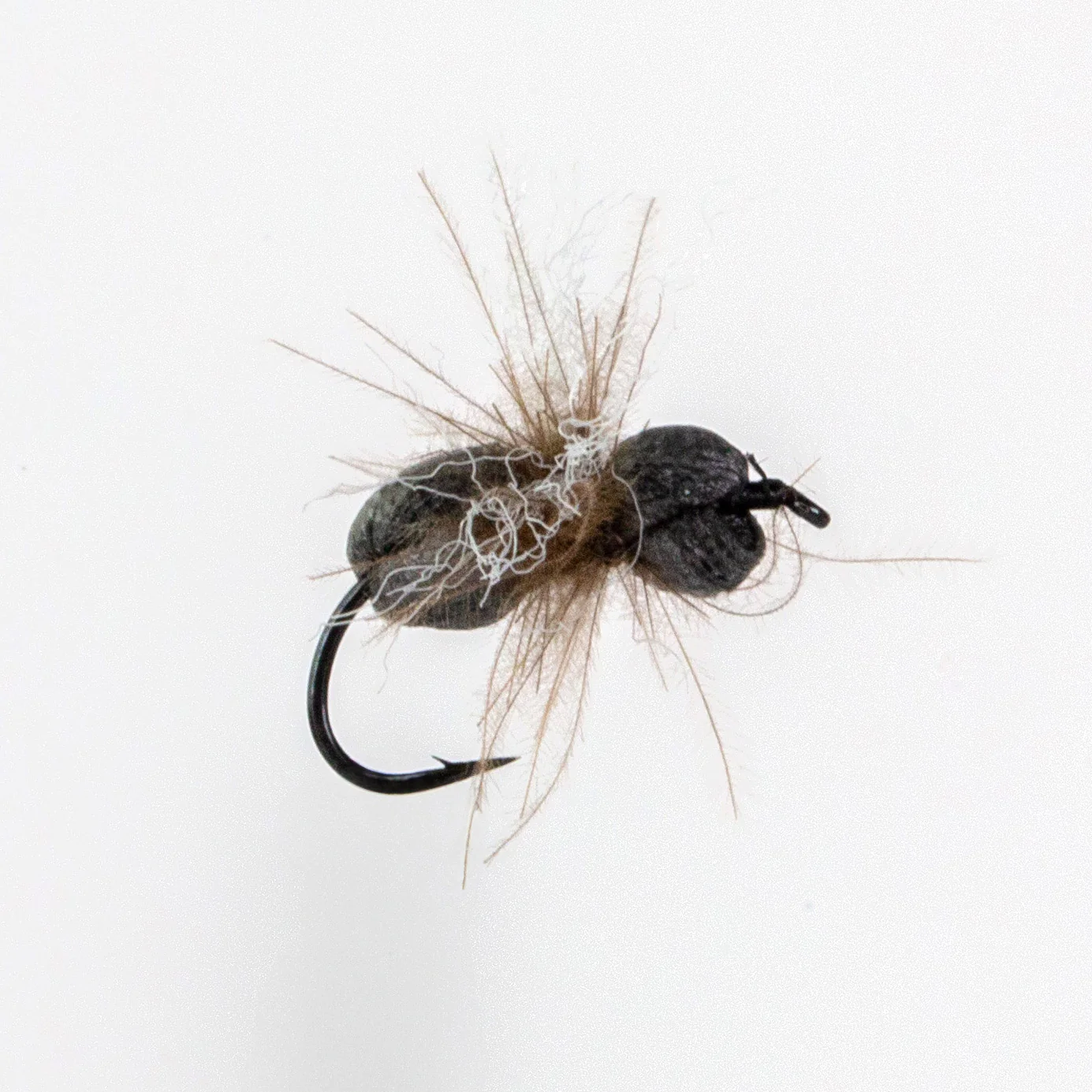
CDC Ant / Flying Ant
The CDC Ant fly pattern can be fishing during the summer and fall. Trout and grayling take these terrestrial insects during hot summer days. We recommend to use Nev-R-Sink floatant before the first use.
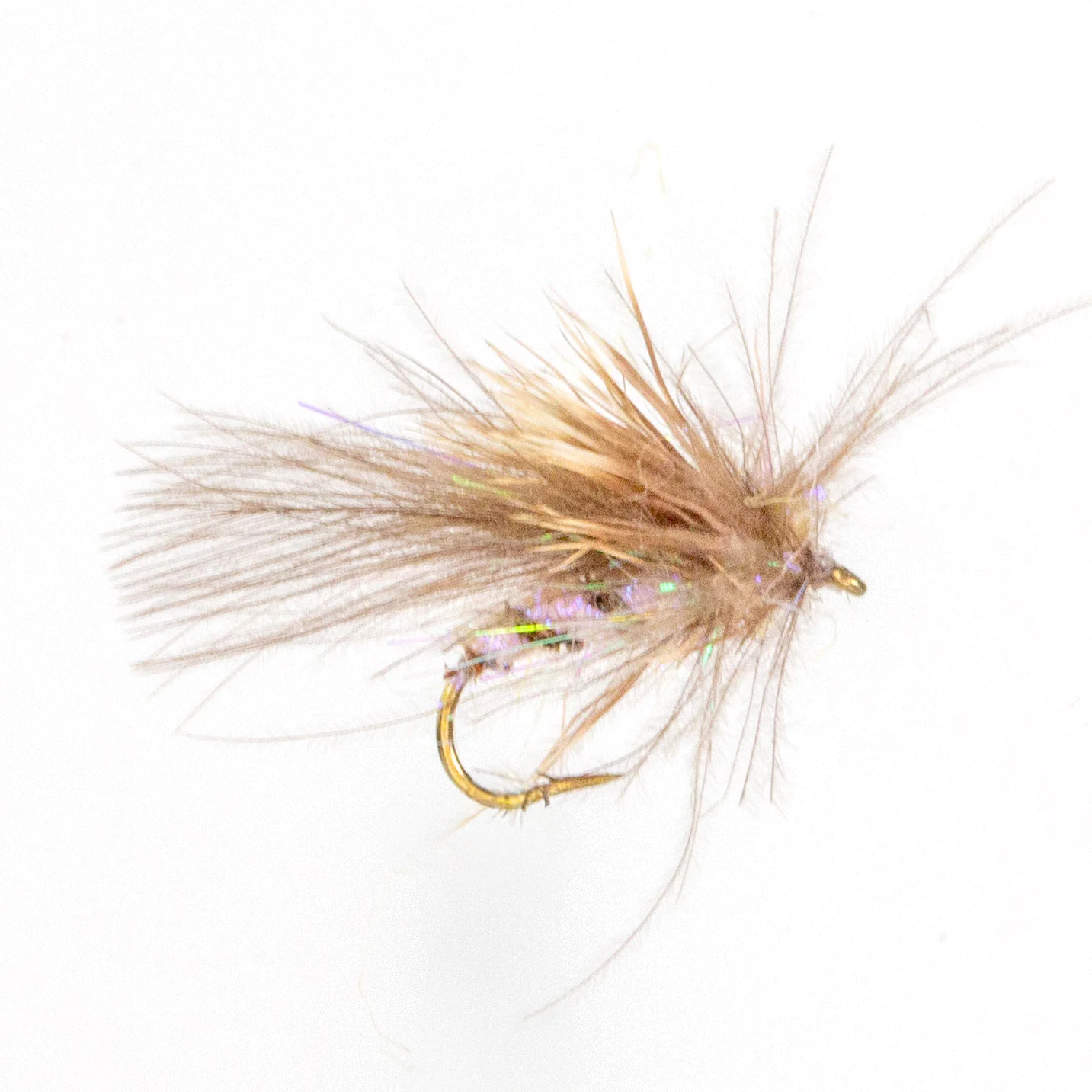
CDC Fluttering Caddis Dry Fly
As its name suggests, this pattern represents a fluttering caddis fly in the process of emerging. A sedge after hatching from the pupa skin during its first, still clumsy attempts to take off. But also a female buzzing from the water surface during the spawning process. Both phases bring fishing highlights, because the conspicuous life at the water surface is an attraction that fish rarely resist. In early summer, caddis flies hatch mainly in the midday hours due to the more favorable air and water temperatures. In midsummer, emergence shifts to the early morning and above all to the evening and night hours, when spawning and egg-laying also take place. A good evening emergence is often the fish's reaction to caddis fly activity. The tying method of the CDC Fluttering Caddis reflects the buzzing phase as closely as possible. Above the striking body contour, the silhouette appears transparently dissolved by the spread deer hair bunch wings and the flatly tied CDC feather. To emphasize the impression of fluttering, the pattern is always fished in motion. Service across with a stretched leader, then lead in accentuated movement cycles. Twitching, jerking, vibrating and slithering over water is most effective with fluttering caddis. To improve flotation, the wings and body should be made unwettable with Nev-R-Sink.
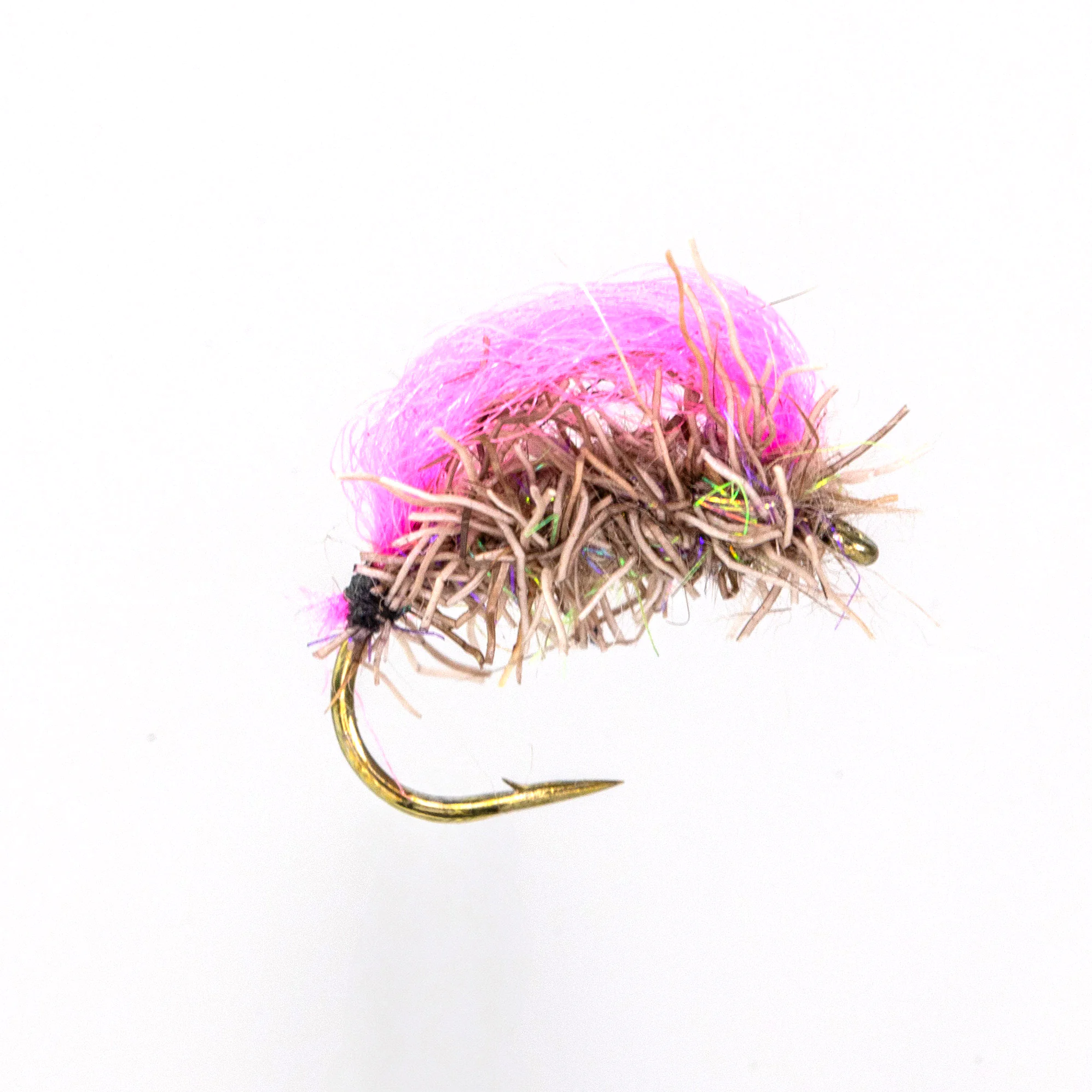
CDC HiViz Bullterrier Dry Fly
The CDC Hi-Viz Bullterrier is a great dry fly universal pattern. This fly can be a mayfly, caddis fly or terrestrial insect. It is precisely this diffuse silhouette that makes this dry fly so successful. Thanks to the TIEMCO Dry Wing material, the fly can be seen very well by the fly fisherman.
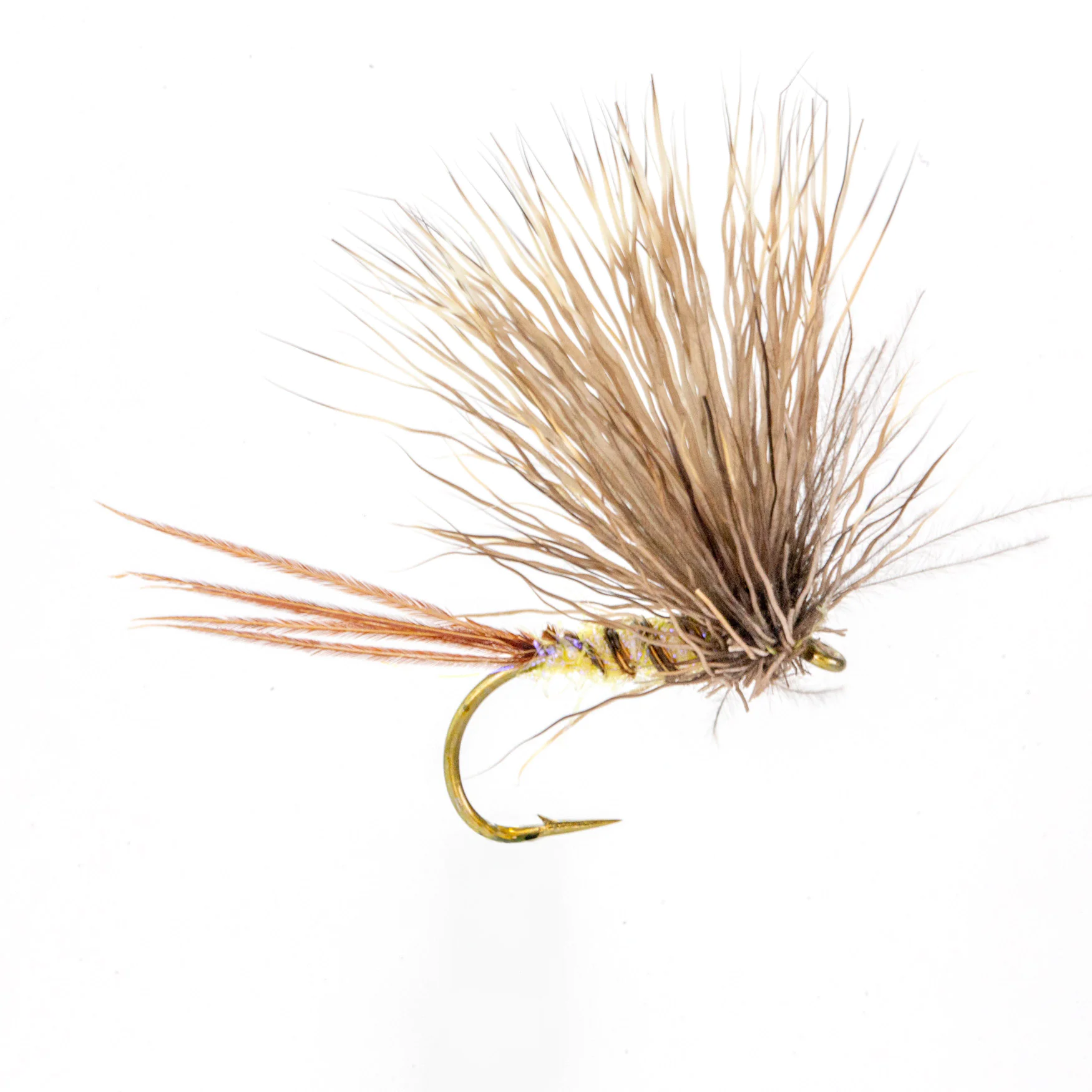
CDC Mayfly 2.0
The CDC Mayfly 2.0 is a true Danica Mayfly pattern. The body colour has the typical danica colour. The wings are made with a mixture of deer hair and cul de canard fibres. The floating abilities are very good!This pattern needs to be in every may fly box!
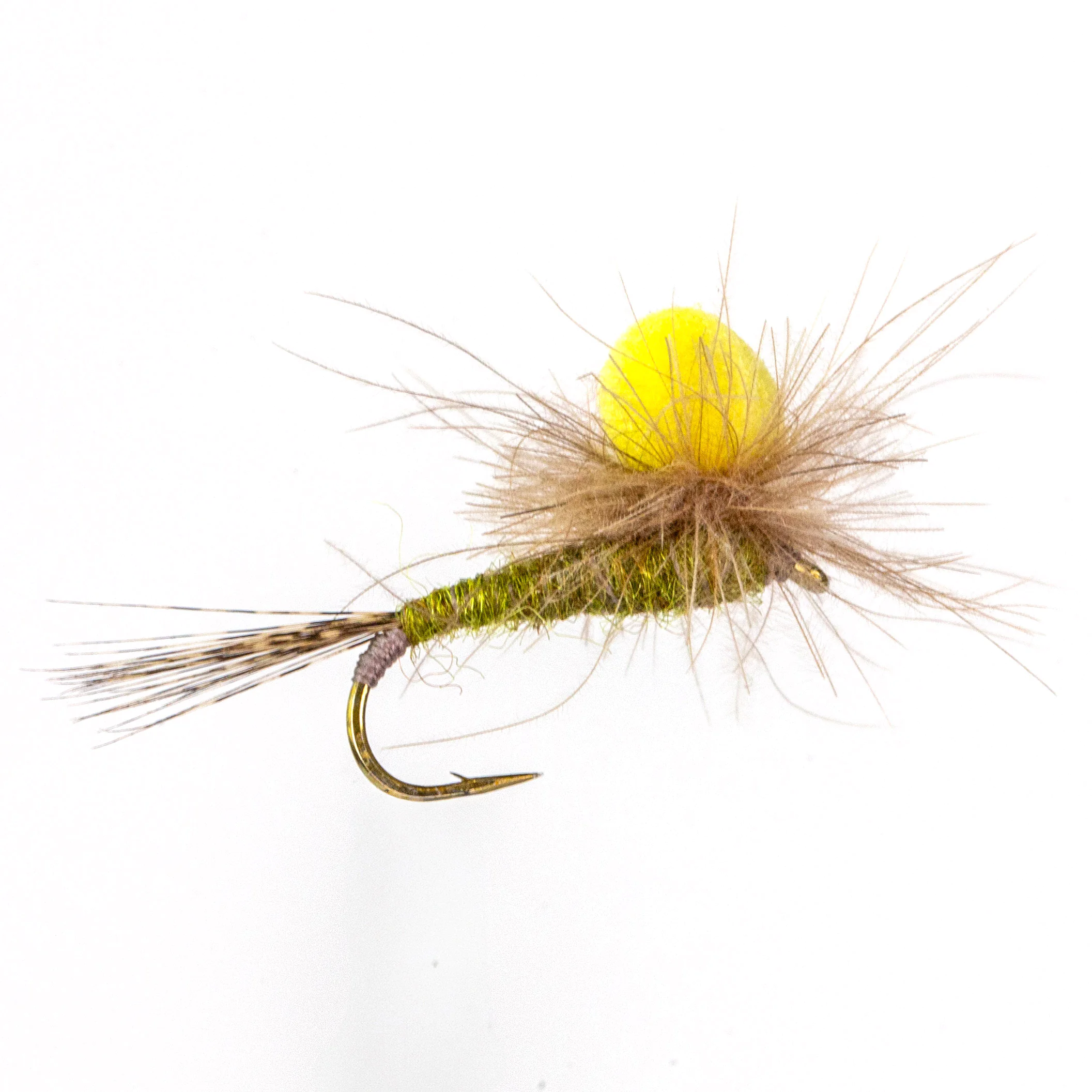
CDC Hi-Vis Parachute, olive
highly visible dry fly pattern after pro tyer Gerhard Laible
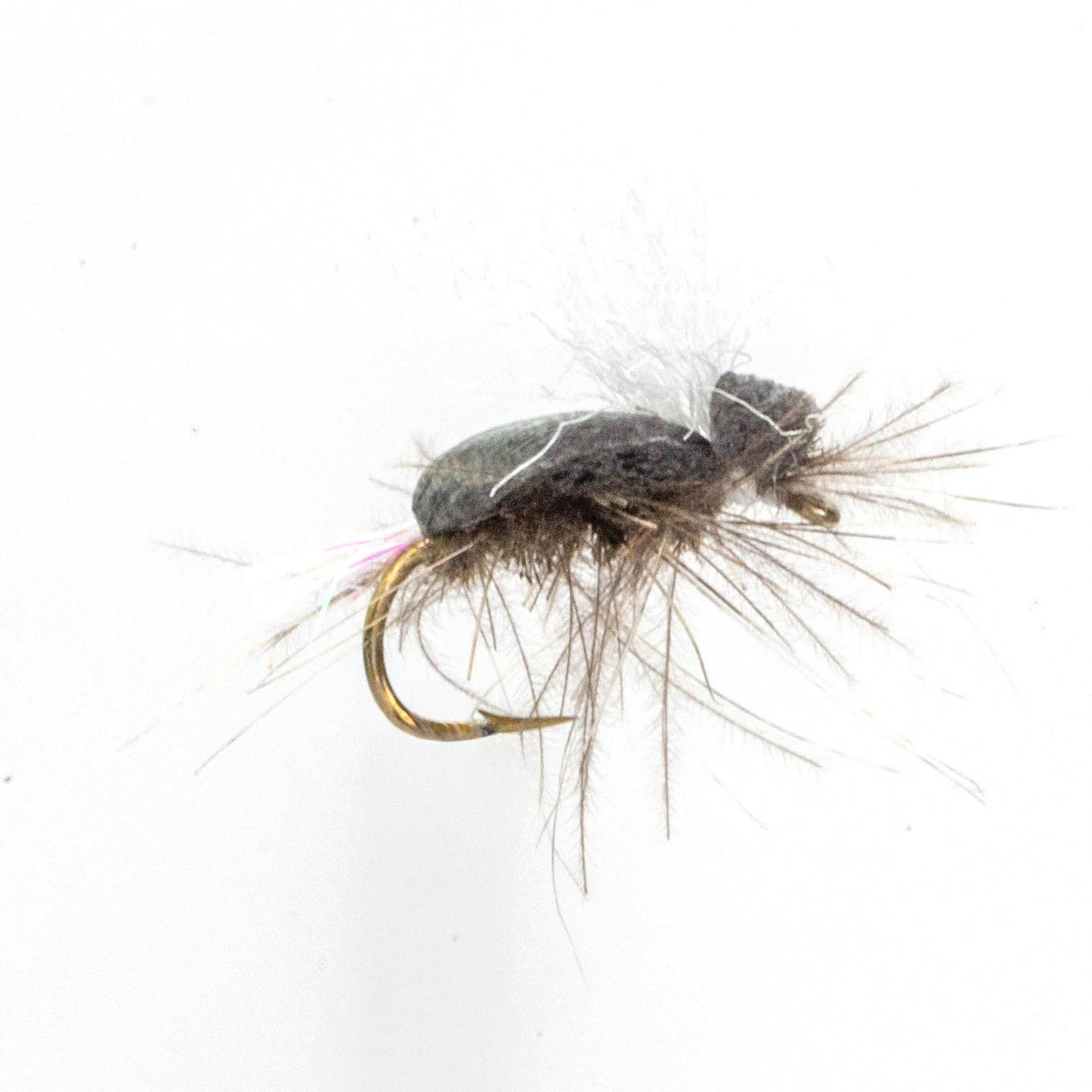
CDC Poly Beetle
The CDC poly beetle is the right fly during hot summer days. It imitates little bugs falling off the trees.
Cul de Canard (CDC) Flies
by Gerhard Laible
We offer some of the best Cul de Canard flies in the whole market! They are tied on very sharp TIEMCO hooks. The best materials are used to tie those flies. They are developed by the well known German fly tyer Gerhard Laible. He is passionate about tying CDC since more than 3 centuries. He has his own tying techniques and developed many Cul De Canard patterns. Many of those patterns were copied by many fly tyers around the world. We offer the originals!
We recommende to use the real Amadou to dry the flies and to use the floatant Nev-R-Sink to let them swim for a long time!
These Cul De Canard Flies are incredibly effective! Try them!!